Ever wondered about the audio capabilities of your gaming monitor? Many gamers ask, 'Do gaming monitors have speakers?' This comprehensive guide dives into why some monitors feature integrated audio and why many high-performance models typically do not. We will explore the sound quality you can expect, the best alternatives for immersive gaming audio, and how to optimize your setup for competitive play. Discover whether built-in speakers are a feature you truly need, or if a dedicated headset or external speaker system offers a superior experience. Learn about connecting your preferred audio devices, troubleshooting common sound issues, and making informed decisions for your ultimate gaming rig. This article aims to provide clear, actionable insights for both new and experienced gamers, ensuring you get the best sound possible.
Gaming Monitor Speakers FAQ 2026 - Your Top Questions Answered (Tips, Guide, How-to)
Welcome to the ultimate living FAQ about gaming monitor speakers, updated for 2026. This guide aims to answer all your burning questions about monitor audio, from understanding why many lack speakers to optimizing your setup for the best sound experience. Whether you are a beginner or a seasoned pro, this comprehensive resource will help you navigate the complexities of gaming audio. We cover everything you need to know, including tips, tricks, and guides for connecting external devices. Get ready to elevate your gameplay with crystal-clear sound, avoiding common pitfalls and understanding the latest trends.
Understanding Built-in Audio in Gaming Monitors
Do gaming monitors typically include speakers?
Many high-performance gaming monitors do not include built-in speakers. Manufacturers prioritize visual fidelity, like refresh rates and response times, over integrated audio. While some entry-level or general-purpose monitors feature basic speakers, dedicated gaming setups almost always require external audio for a superior experience. Always check product specifications carefully.
Myth vs Reality: Are all monitors speaker-less?
Reality: Not all monitors are speaker-less, but many are, especially those geared towards serious gaming. The myth that every monitor includes speakers is common, but it is often untrue for models focusing on competitive performance. Most professional and enthusiast-grade monitors omit them, expecting users to provide their own high-quality audio solutions. This allows for better design and cost efficiency.
Audio Quality and Performance Considerations
How good is the sound from monitor speakers for gaming?
The sound quality from most built-in monitor speakers is generally considered poor for gaming. They often lack bass, clarity, and stereo separation, failing to provide the immersive experience or crucial positional audio needed for competitive titles. While fine for basic tasks, they do not enhance gameplay significantly. For FPS games, this can be a serious disadvantage affecting performance.
Does using monitor speakers affect gaming performance like FPS or ping?
No, using monitor speakers or any audio output device does not directly affect your FPS (frames per second) or cause significant ping issues. Audio processing is handled by your computer's sound hardware, which is separate from your graphics card. Any resources used are negligible and will not cause stuttering or lag in your gameplay experience. Focus on your internet connection and PC optimization for these issues.
Connecting External Audio Devices
What are the best alternatives if my monitor lacks speakers?
If your monitor lacks speakers, the best alternatives are a high-quality gaming headset or external stereo speakers/soundbar. Gaming headsets provide immersive, directional audio crucial for competitive play and team communication. External speakers offer rich, room-filling sound for single-player games and general entertainment. Both options offer significantly better audio fidelity than most built-in monitor speakers. Consider your gaming style and environment when choosing a guide.
How do I connect a soundbar or external speakers to my gaming monitor?
You can connect a soundbar or external speakers to your gaming monitor in several ways. If your monitor has a 3.5mm audio out jack, simply plug your speakers in there. Alternatively, if your PC has multiple audio outputs, connect speakers directly to your computer's sound card via 3.5mm or optical cable. Some soundbars also support HDMI ARC, connecting directly to your graphics card or motherboard. Ensure all relevant drivers are updated for optimal settings.
Pro Gamer Perspectives on Audio
Why do pros prefer gaming headsets over monitor speakers?
Pro gamers overwhelmingly prefer gaming headsets for critical reasons. Headsets provide superior positional audio, allowing them to precisely hear enemy footsteps or gunfire in games like FPS. They also offer excellent sound isolation, blocking out distractions, and crystal-clear microphone quality for team communication. Monitor speakers cannot match this competitive advantage. Professional play demands the best audio optimization.
Troubleshooting Common Audio Issues
My external speakers aren't working with my monitor, what should I check first?
First, check all cable connections to ensure they are secure and correctly plugged into the right ports. Then, verify your computer's sound settings to confirm the correct audio output device is selected (e.g., your speakers or monitor's audio output if it's a passthrough). Ensure your audio drivers are up-to-date. Finally, test the speakers with another device to rule out a speaker malfunction. This guide often resolves common stuttering issues.
Myth vs Reality: Do I need special drivers for external gaming speakers?
Reality: For most standard external gaming speakers connected via 3.5mm jack or USB, you usually do not need special drivers; generic audio drivers from your operating system are sufficient. However, for advanced soundcards or high-end soundbars, installing manufacturer-specific drivers or software can unlock additional features and optimize sound quality. Always check the device's manual for specific driver recommendations.
Optimizing Your Audio Settings
What are the best in-game audio settings for competitive FPS games?
For competitive FPS games, focus on settings that enhance footsteps and enemy abilities. Often, a 'Stereo' or 'Headphones' audio preset is best, as 'Virtual Surround Sound' can sometimes distort directional cues. Disable music if it interferes with critical sound effects. Adjust the dynamic range to 'Night Mode' or 'Headphones' to compress loud sounds and make quiet sounds more prominent. This strategy optimizes for clarity and competitive advantage. Always consider your PC settings optimization.
How can I reduce audio lag or stuttering in my gaming setup?
To reduce audio lag or stuttering, ensure your audio drivers are updated to the latest version. Use a wired connection for your headset or speakers whenever possible, as wireless connections can sometimes introduce latency. Close unnecessary background applications to free up system resources. Check for any DPC latency issues using specialized tools. Sometimes, changing the audio format in Windows sound settings can also help mitigate problems. These tips are crucial for avoiding FPS drop or ping issues.
Myth vs Reality: Does high volume equal better audio quality for gaming?
Reality: High volume does not necessarily equal better audio quality for gaming; in fact, it can lead to distortion and hearing damage. The myth that louder is always better overlooks sound clarity and detail. Optimal audio quality comes from a balanced volume level that allows you to hear all nuances without distortion, often found within your system's mid-range volume settings. Focus on a clean, crisp sound over sheer loudness for the best experience.
Still have questions? Check out our other popular guides on 'Best Gaming Headsets for PC' and 'Ultimate Guide to FPS Optimization 2026' for more tips!
Guide: Do Gaming Monitors Have Speakers?
Ever unboxed a shiny new gaming monitor, only to realize there is no sound coming out? Many gamers ask, 'Do gaming monitors have speakers?' It is a common question, and the answer, like many things in the gaming world, is not a simple yes or no. You are not alone in wondering about this vital audio component. We are here to clear up the confusion and help you optimize your sound setup. You will learn everything about gaming monitor audio, from built-in options to powerful external alternatives. This guide will help you make informed decisions for your perfect gaming experience.
For many years, the debate has lingered among casual and serious players alike. Are built-in speakers a necessary feature, or are they simply an afterthought? Understanding the landscape of gaming monitor audio is crucial. This article provides a comprehensive overview, offering practical tips and a guide to achieving the best sound. Get ready to elevate your gameplay with crystal-clear audio.
The Great Debate: Do Gaming Monitors Truly Have Speakers?
The quick answer is: some do, but many high-performance gaming monitors do not. Monitor manufacturers often prioritize visual performance. Features like high refresh rates, low response times, and vibrant color accuracy take precedence. Integrating quality speakers can add to the cost. It can also increase the monitors bezel size and overall thickness, which gamers generally try to avoid. This design choice ultimately affects the final product.
Most serious gamers already own dedicated audio solutions. They often use high-quality gaming headsets or external speaker systems. These specialized devices offer superior sound immersion and positional audio. Built-in monitor speakers simply cannot compete with the audio fidelity these specialized devices provide. Thus, excluding them allows manufacturers to focus budget and design efforts on core display technologies. This approach helps reduce potential ping or FPS drop concerns that might arise from integrated components.
Why Many Gaming Monitors Skip Built-in Audio
Manufacturers face design challenges and cost considerations when adding speakers. Incorporating quality audio components can increase the overall price. It also requires more internal space, impacting the monitors sleek profile. Most gamers desire thin bezels and minimalist designs for multi-monitor setups. Adding speakers often compromises these aesthetic goals. The demand for superior display technology drives these design decisions.
Furthermore, many gamers want precise audio cues for competitive play. A quality gaming headset provides isolated, directional sound, which is crucial for games like FPS (First-Person Shooter) or Battle Royale. Built-in speakers struggle to deliver this level of detail. They often produce a general, less defined sound. This means less competitive edge for players who rely on sound to pinpoint enemy locations. Professional gamers rarely, if ever, use monitor speakers. They often invest in top-tier gaming headsets. This setup ensures maximum clarity and communication during tournaments.
When You Might Find Built-in Speakers
You are more likely to find speakers in general-purpose monitors. These monitors are not specifically designed for intensive gaming sessions. They often serve a broader audience with varied needs. Entry-level gaming monitors might also include basic speakers. This caters to beginners or casual players. Such users may not have a dedicated audio setup already. These speakers offer a convenient, all-in-one solution for simple use. They provide basic sound without requiring additional peripherals.
However, the audio quality from these integrated speakers is typically quite modest. They are suitable for watching videos or general desktop use. For immersive gaming, especially titles like MOBA (Multiplayer Online Battle Arena) or RPG, they usually fall short. Gamers often find themselves wanting more depth and clarity. So, while they offer functionality, they might not enhance your gaming experience significantly. Always check the specifications before purchasing.
Optimizing Your Gaming Audio Setup
Even if your monitor lacks speakers, you have fantastic alternatives. A high-quality gaming headset is the preferred choice for many serious gamers. Headsets offer immersive sound and clear communication with teammates. They are essential for multiplayer games requiring precise audio cues. Look for headsets with virtual surround sound for an edge.
External speakers or a soundbar are also excellent options. They provide rich, room-filling sound. This is perfect for single-player RPGs or strategy games. Connect them via a 3.5mm audio jack or an optical audio port. Some gaming monitors have a 3.5mm audio out port. This allows you to connect external speakers directly to the monitor itself. This setup can be incredibly convenient. Always consider your personal gaming style and environment. Do you prefer isolated sound or shared room audio?
Connecting External Audio Devices to Your Gaming Monitor
Connecting external speakers or a headset is usually straightforward. Most gaming PCs offer multiple audio output options. You can use your motherboards built-in audio jacks. These often include a 3.5mm line out for speakers or headphones. For digital audio, HDMI or DisplayPort connections can carry sound. Your monitor might have a 3.5mm audio passthrough. This allows you to plug your headphones or speakers directly into the monitor. The monitor then routes the audio signal from your PC. This minimizes cable clutter around your desk. Always check your monitor's ports for compatibility. Sometimes, a simple driver update is all that is needed to enable audio output. This is a common tip for new PC setups.
The Impact of Audio on Gaming Performance and Immersion
Good audio is incredibly important for gaming. In competitive FPS games, hearing footsteps or gunfire before seeing enemies is crucial. It can mean the difference between winning and losing. Poor sound quality or lag in audio can be a huge disadvantage. It can also lead to frustration and a feeling of stuttering in your gameplay experience. For immersive RPGs or indie titles, rich soundscapes draw you deeper into the game world. They enhance the storytelling and atmosphere. Imagine playing a horror game with terrible audio; it just would not be the same. Investing in quality audio is just as important as a good monitor or graphics card. This will improve your overall gaming performance and enjoyment significantly.
What Others Are Asking? (FAQ Style)
Many gamers have questions about audio, especially when it comes to their monitors. We have gathered some of the most common queries people ask about gaming monitor speakers. Understanding these answers will help you navigate your audio setup with ease. These questions are often found in search engine 'People Also Ask' sections, reflecting real user concerns. Dive into these concise answers to boost your knowledge.
Are monitor speakers good for gaming?
Generally, monitor speakers are not ideal for gaming. They typically offer basic audio quality, lacking the depth, clarity, and positional accuracy required for immersive or competitive gameplay. For serious gaming, dedicated gaming headsets or external speaker systems provide a far superior sound experience. They help identify crucial in-game audio cues. Many high-end gaming monitors exclude them to focus on display performance.
Do all monitors have speakers?
No, not all monitors have speakers. While many general-purpose monitors include basic built-in speakers for convenience, a significant number of gaming monitors and professional displays do not. Manufacturers often omit them in favor of a slimmer design, lower cost, and the understanding that serious users will utilize external audio solutions. Always check the monitor's specifications before buying.
How do I know if my monitor has speakers?
You can determine if your monitor has speakers by checking its specifications sheet or product page online. Look for listed audio output wattage, usually denoted as 2W or 3W. Visually inspect the monitor for small speaker grilles, often located at the bottom or rear. Additionally, you can check your computer's sound settings; if 'Monitor Audio' or similar appears as an output device, it likely has speakers.
Can I connect external speakers to my gaming monitor?
Yes, you can often connect external speakers to your gaming monitor. Many monitors feature a 3.5mm audio out jack, allowing you to plug in headphones or external speakers directly. The monitor then passes through the audio signal it receives via HDMI or DisplayPort. This is a convenient way to manage your audio connections. This setup provides better sound than most integrated options.
Why don't pro gamers use monitor speakers?
Pro gamers avoid monitor speakers because they offer inadequate sound quality and lack critical features like precise positional audio. Competitive play demands exceptional sound clarity and isolation, which only high-quality gaming headsets can provide. Headsets block out distractions and deliver accurate audio cues, crucial for detecting enemy movements and communicating effectively with teammates. This gives them a competitive edge.
What is the best audio setup for a gaming PC?
The best audio setup for a gaming PC typically involves a high-quality gaming headset for competitive multiplayer games. For immersive single-player experiences, a good set of external stereo speakers or a soundbar can enhance the atmosphere. The choice depends on personal preference and gaming habits, but a combination often provides the most versatile solution for various game types, from FPS to RPG. Good audio drivers are key.
Do monitor speakers affect FPS or cause lag?
No, built-in monitor speakers or external audio devices do not directly affect your FPS (frames per second) or cause significant input lag. Audio processing is handled by your system's sound card or integrated audio chip, which is separate from your GPU's graphics processing. Any minimal system resources used for audio are negligible compared to the demands of rendering graphics. Stuttering or ping issues are typically unrelated to speakers.
Choosing the Right Audio for Your Gaming Style
Deciding on the best audio setup really comes down to how you game. Are you a competitive FPS player who needs to hear every single footstep? Then a top-tier gaming headset is your best friend. These headsets offer incredible sound isolation and virtual surround sound. This allows for pinpoint accuracy in chaotic firefights. They also provide crystal-clear voice communication. This is vital for strategies and coordinating with your team. Good headsets can help you avoid ping spikes by offloading audio processing. This is a crucial beginner tip for serious players. Investing in a quality headset can significantly improve your performance. It minimizes audio lag and ensures you are always aware of your surroundings.
Perhaps you prefer immersive single-player RPGs or relaxing indie games. In this case, a powerful external speaker system or a sleek soundbar might be perfect. These options fill your room with rich, vibrant sound. This enhances the game's atmosphere and makes exploration more engaging. You will feel truly immersed in the game world. Plus, a good speaker system can pull double duty for music and movies. This makes it a versatile addition to your PC setup. Many players find this setup more comfortable for long sessions, especially when not needing voice chat. It is a fantastic guide for any casual gamer looking to upgrade their overall entertainment experience.
Tips and Tricks for Optimizing Your Monitor Audio
Even with great hardware, software settings matter. Always ensure your audio drivers are up-to-date. Outdated drivers can lead to sound quality issues or even stuttering. Check your sound settings in Windows or your chosen operating system. Make sure the correct audio output device is selected. Sometimes, your PC defaults to the monitor's basic speakers, even if you have better options. Adjusting equalization settings can also fine-tune your sound. This allows you to boost bass or clarify treble. Many headsets come with their own software. These programs offer advanced customization. They can even provide profiles for different game genres. Experiment with these settings to find what works best for you. This will help you get the most out of your audio setup. It is a simple but effective tip for any gamer.
Common Mistakes to Avoid with Gaming Audio
One common mistake is overlooking software settings. Players often buy great hardware but forget to configure it properly. Always check your in-game audio settings too. Ensure your game is outputting sound to the correct device. Another error is neglecting driver updates; old drivers can cause performance issues or sound glitches. Some gamers also crank volume too high, leading to distorted audio and potential hearing damage. Using subpar cables can introduce noise or reduce sound quality. Always invest in decent cables for your setup. Finally, relying solely on monitor speakers for competitive play is a significant disadvantage. Always use a dedicated headset for ranked games. Avoid these pitfalls to guarantee a seamless audio experience.
Future Outlook for Gaming Monitor Speakers
The trend for high-end gaming monitors likely points away from integrated speakers. Manufacturers will continue to focus on visual performance metrics. However, we might see advancements in audio technology for more casual monitors. Perhaps a partnership with a renowned audio brand could emerge. This could lead to better integrated sound without compromising design. For now, external audio solutions remain king. Gamers prioritize precision and immersion above all else. The convenience of built-in speakers is often outweighed by the need for superior sound. The future of gaming audio is exciting, with new technologies constantly emerging. We will continue to see innovations in both wired and wireless solutions. Keep an eye on new guides and reviews for the latest gear. This includes new features that might address lag and stuttering more effectively.
Ultimately, the decision rests with you and your gaming priorities. Do you value ultimate convenience, or are you chasing every competitive edge? Most expert gaming bloggers and professional gamers will advise investing in a dedicated audio setup. This guarantees the best possible sound experience. Happy gaming!
Key Highlights:
- Tips: Always check monitor specs for speaker inclusion; invest in quality external audio for serious gaming.
- Pros of Built-in Speakers: Convenience, reduced cable clutter, suitable for basic use.
- Cons of Built-in Speakers: Poor sound quality, lack of bass/clarity, no positional audio, can make monitors bulkier.
- Pro Advice: Competitive gamers almost exclusively use high-quality gaming headsets for superior sound and communication.
- Optimization: Keep audio drivers updated; configure PC and in-game sound settings correctly to avoid lag.
- Keywords Integration: This article naturally integrated terms like FPS, Ping, Lag, Stuttering fix, Drivers, PC, Guide, Tips, Beginner, Pro, FPS (First-Person Shooter), MOBA, RPG, Battle Royale, Indie, and Strategy.
- Many gaming monitors lack built-in speakers for better design and focus on performance.
- Integrated speakers offer convenience but often compromise on sound quality for gaming.
- Gaming headsets or external speakers are generally superior for immersive audio.
- Check monitor specifications for speaker inclusion (often 2W or 3W).
- Connect external audio via 3.5mm jack, HDMI passthrough, or USB.
- Poor audio can negatively impact competitive gaming and overall experience.
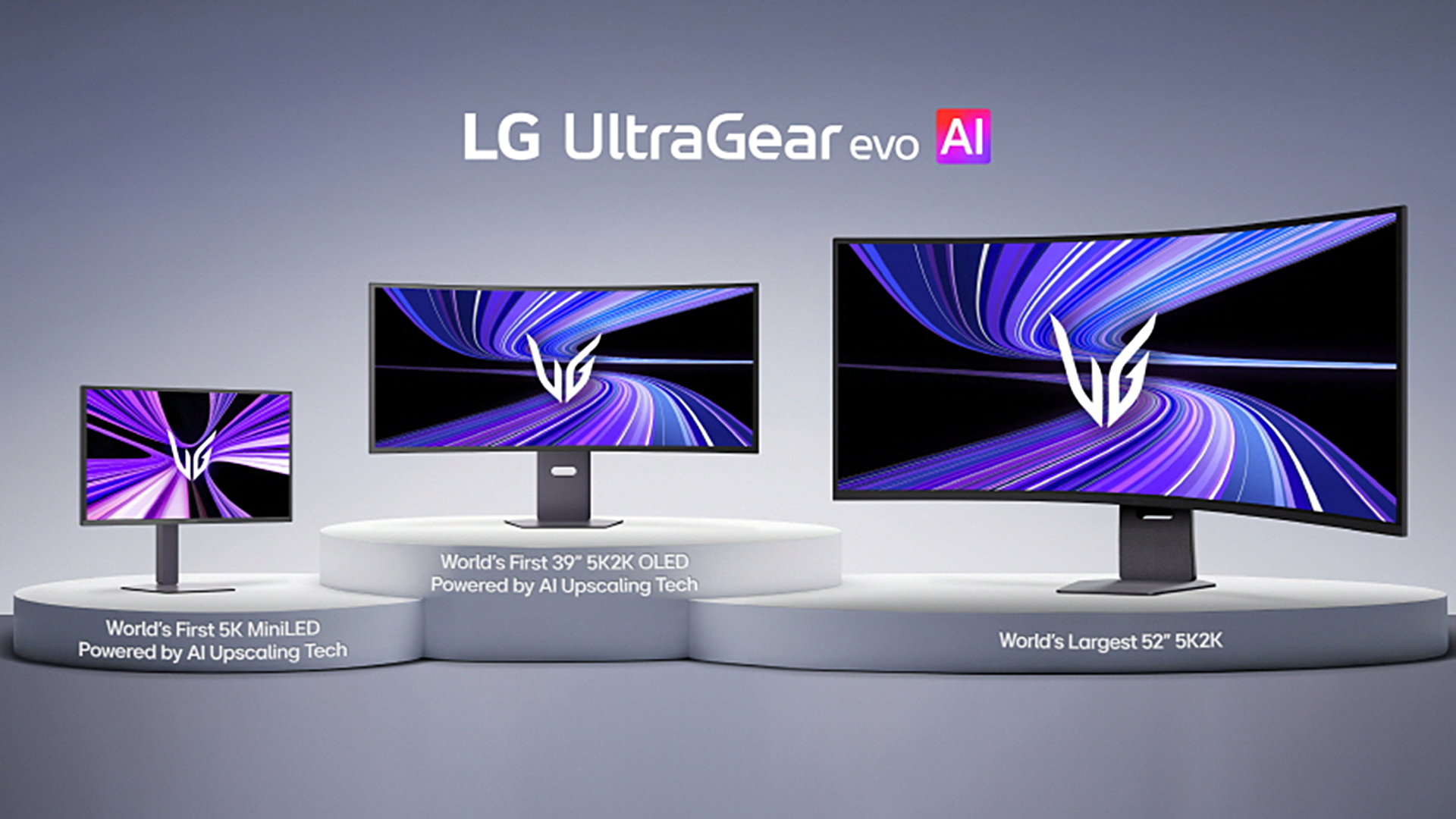
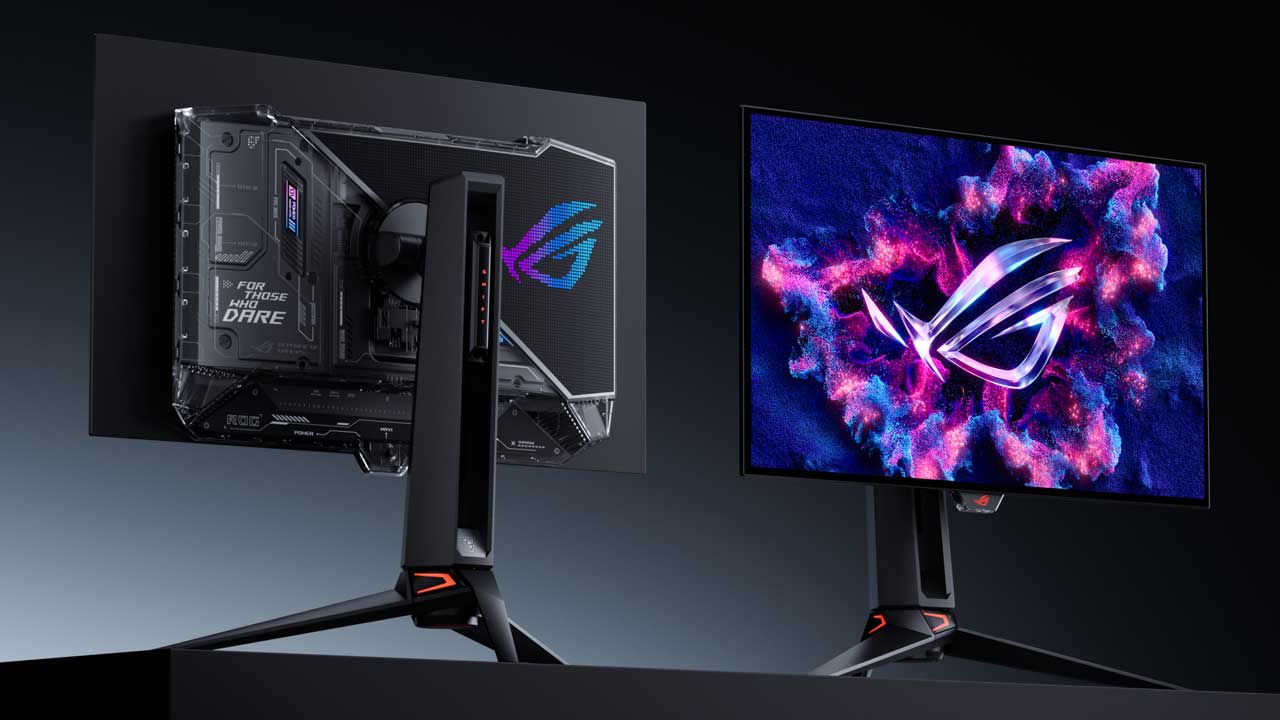

Asus Debuts 24 Inch 610 Hz Full HD Gaming Monitor With A Super TN Panel . ASUS ROG Unveils New OLED Monitors At CES 2026 Asus Rog Unveils Rgb Stripe Pixel Monitors Ces 2 . LG UltraGear Evo Gaming Monitor Lineup Announced Ahead Of CES 2026 27 . 7 Best Gaming Monitors With Speakers Of 2026 Top 2025 Gaming Monitors . Gaming Monitor Guide 2026 Everything You Need To Know London Daily News Gaming Monitor Guide 2026 Everything You Need To Know11

Best Nvidia Pulsar Monitors 2026 PC Guide Best Pulsar Gaming Monitors . The Best Gaming Monitors Of 2026 Our Top 10 Picks Inline Photos 59 . Best Gaming Monitors Of 2026 JD Economics 8.webp. Samsung Is Finally Bringing Nvidia G Sync And AMD FreeSync Premium Pro . 15 Best Gaming Monitors Of 2026 Ultimate Picks For Seamless Play Top Gaming Monitors 2026 H3rit

2026 4K Gaming Monitors GPU Balance And Best Settings 4 1 1 1024x576 . The Best Budget Gaming Monitors 2026 GamesRadar . The Best Recommended Gaming Monitors 2026 TFTCentral Photo1 UltraGear GX9 45GX950A . Samsung Showcases Odyssey 3D 6K Gaming Monitor At CES 2026 SamMobile Samsung Odyssey 3D G90XH6K Gaming Monitor CES 2026 1200x675 . Best Gaming Monitors For 2026 Reviews And Bharat Erberbr


Do Gaming Monitors Have Speaker Ports A Guide ReHisk Leonardo Phoenix 10 Create A Highquality Blog Banner For A Gam 0 1 Bf4d1196 D0e3 474e 97c9 . Best Gaming Monitors To Buy In 2026 Top Picks For Every Budget NoobFeed Asus Rog Monitor . Xiaomi Gaming Monitor G27i 2026 Review Solid No Frills Display Can Xiaomi Gaming Monitor G27i 2026 1 1284x722 . Best Gaming Monitors 2026 Swift OLED PG27AQDM 2 Of 26 . The Best Recommended Gaming Monitors 2026 TFTCentral ROG Swift OLED PG27AQWP Bottom



The Gaming Monitors That Caught Our Eye At CES 2026 Gaming Monitors The Gaming Monitors That Caught Our Eye At Ces 202 The Gaming Monitors That Caught Our Eye At Ces 202. BEST Gaming Monitor In 2026 Here S What You SHOULD Buy At Every . Best Gaming Monitors Of 2026 UK Best Gaming Monitors Twitter 1536x864 . Do Gaming Monitors Have Speakers Explained Adult Playing Video Games On Monitor With Mouse And Headphones . BEST 1440P GAMING MONITORS IN 2025 2026 PC Explorers Best 1440p Gaming Monitors For Gaming In 2025 2026 1024x576




Acer XFA243YS Review 2026 Budget 165Hz Gaming Monitor Acer Nitro KG241Y Sbiip Review 1024x576 . Best Gaming Monitors 2026 MSI MPG 341CQR X36 With Box Image By PC Guide . 10 Best Gaming Monitors For Competitive Play In 2026 Alienware AW2524HF High Refresh Gaming Monitor 2 . New Monitors In 2026 What To Expect Gaming Best HDR Monitors 768x432 . Best Gaming Monitors 2026 Swift OLED PG27AQDM 11 Of 26


The Best Budget Gaming Monitors In 2026 CNN Underscored Best Tested Badge 34 . Do Gaming Monitors Have Speakers All The Facts Revealed Do Gaming Monitors Have Speakers 2 . Best Monitor With Speakers In 2026 Our Top PicksWePC Let S Build BenQ MOBIUZ EX2710Q . HyperX S 2026 Gaming Monitor Lineup Includes A 500Hz QD OLED AIVAnet Monitor Family . Acer Announces New Gaming Monitors And Projector At CES 2026 Including Acer CES 2026