Ever wondered when PC gaming truly began Did it start with complex graphics cards or humble text adventures This guide dives deep into the fascinating origins of PC gaming tracing its roots from academic labs to the desktops of millions of gamers worldwide. We explore the pivotal moments the groundbreaking machines and the legendary titles that shaped the industry we know today. Understand how early innovations influenced modern gaming trends from multiplayer experiences to immersive virtual worlds. Discover the journey of an entertainment medium that now captivates 87 percent of US adults gaming regularly for over 10 hours a week balancing life work and digital adventures. This informational journey will not only satisfy your curiosity about when was PC gaming invented but also offer insights into why this hobby remains a cornerstone of modern entertainment and social connection.
Curious about the very genesis of our beloved hobby Navigating the vast history of PC gaming can be a quest in itself but understanding its origins can illuminate why we game the way we do today. As your trusted guide in the digital realm lets tackle some of the most pressing questions gamers have about when PC gaming truly began.When exactly did the concept of gaming on a personal computer first emerge
The concept of gaming on a personal computer began to solidify in the late 1970s and early 1980s with the advent of home computers like the Apple II and Commodore 64. While earlier games existed on mainframes from the 1950s and 60s true PC gaming as we understand it started when computing power became accessible in homes. These machines allowed individuals to run interactive software opening the door for a dedicated gaming market.
Who developed the earliest forms of computer games before the PC era
The earliest computer games were primarily developed by academics scientists and engineers in university or research settings. Key figures like Steve Russell and his team at MIT created Spacewar in 1962 on a PDP-1 minicomputer demonstrating the potential for interactive digital entertainment. These pioneers were exploring the capabilities of early computing machines laying theoretical and practical groundwork.
What was the first commercially successful PC game
Determining the absolute first commercially successful PC game is challenging due to the fragmented early market. However titles like Microsoft Flight Simulator 1982 for IBM PC and Ultima 1981 for Apple II and later PC platforms were among the early breakout hits. These games captured imaginations and demonstrated the viability of selling software for personal computers setting precedents for future blockbusters.
How did the IBM PC influence the early development of PC gaming
The IBM Personal Computer introduced in 1981 became a dominant standard due to its open architecture and widespread adoption in businesses. This paved the way for a consistent platform that developers could target. While initial games were simple the IBM PC and its compatibles soon became the preferred platform for innovative titles like King's Quest and later the iconic DOS games setting the trajectory for PC gaming as a serious entertainment medium.
Why was the transition from DOS to Windows critical for PC gaming's growth
The transition from DOS to Windows particularly with Windows 95 revolutionized PC gaming by introducing a user-friendly graphical interface and standardized APIs like DirectX. This simplified game development and hardware compatibility moving away from complex command-line configurations. It made PC gaming more accessible to a mass audience leading to an explosion of graphically rich games and setting the stage for modern plug-and-play experiences that busy gamers appreciate today.
When did online multiplayer gaming become a significant part of the PC gaming experience
Online multiplayer gaming became a significant part of the PC experience in the mid-to-late 1990s with the rise of widespread internet access. Games like Quake 1996 and StarCraft 1998 allowed players to compete or cooperate globally transforming PC gaming from a largely solitary activity into a highly social one. This evolution continues today with massive online communities and cross-platform play reflecting gamers desire for connection.
What role did graphics cards play in the evolution of PC gaming after its invention
Dedicated graphics cards played a pivotal role in evolving PC gaming especially from the late 1990s onward. Before them the CPU handled all graphics rendering limiting visual complexity. Companies like 3dfx NVIDIA and ATI developed GPUs that offloaded this task enabling the stunning 3D graphics and immersive worlds we enjoy today. This hardware innovation is central to PC gaming's continuous push for visual fidelity and performance.
Ever feel overwhelmed by the sheer scale of modern PC gaming From endless game libraries to complex hardware it’s a lot to manage. But have you ever paused to think how this incredible world began When was PC gaming invented and how did it evolve into the vibrant community we cherish today Understanding its roots can offer fresh perspective helping us appreciate the journey make smarter choices about current trends and even find new ways to enjoy our precious gaming time. With 87 percent of US adults regularly gaming and dedicating over 10 hours a week balancing our digital passions with real-life responsibilities is key. Let's journey back to discover the foundational moments that built our beloved PC gaming world.
When Was PC Gaming Invented A Historical Overview
While tracing the exact moment PC gaming was invented is tricky due to evolving definitions its genesis can be pinpointed to the early 1960s with mainframe computers. The concept of interactive digital entertainment began in academic and research settings. Early games were simple often text-based or rudimentary graphical experiences developed by scientists and engineers exploring the capabilities of new computing machines. This era laid the intellectual groundwork long before personal computers as we know them became a household item.
The true era of personal computer gaming however really kicked off in the late 1970s and early 1980s. This period saw the rise of affordable home computers like the Apple II Commodore 64 and eventually the IBM PC. These machines brought computing power directly into homes transforming it from a niche scientific tool into a platform for widespread entertainment. This transition from institutional mainframes to accessible home devices is the crucial turning point for when we consider PC gaming to have truly begun moving beyond mere academic curiosity to a burgeoning industry.
What Were the Very First Computer Games
Before personal computers the earliest interactive digital games emerged on large expensive mainframe systems. One of the most famous and often cited as the first true video game was Spacewar created in 1962 by Steve Russell and his team at MIT on a PDP-1 minicomputer. This game allowed two players to control spaceships and fire at each other navigating around a central star. It showcased complex real-time graphics for its era proving that computers could be used for more than just calculations.
Other notable early examples include Tennis for Two 1958 on an analog computer and OXO 1952 a graphical tic-tac-toe game. However these were largely experiments or demonstrations. Spacewar is considered seminal because it was widely distributed among early computer users and inspired many subsequent game developers. These foundational titles demonstrated the potential of interactive software setting the stage for the commercial gaming industry that would eventually thrive on personal computers. They taught early developers about user interaction and game logic lessons still relevant today.
How Did Home Computers Pave the Way for PC Gaming
The late 1970s marked a revolution with the introduction of personal computers accessible to the general public. Machines like the Apple II 1977 Atari 8-bit family 1979 and Commodore 64 1982 were game-changers. Unlike their mainframe predecessors these systems were designed for individual use bringing computing power into homes and schools. They offered built-in graphics and sound capabilities that while rudimentary by today's standards were revolutionary for the time. Gamers no longer needed access to university labs to experience digital entertainment it was now on their desk.
The affordability and user-friendliness of these home computers fostered a new generation of hobbyist programmers and game developers. Titles like Mystery House 1980 Ultima 1981 and King's Quest 1984 began to emerge offering adventure role-playing and graphical experiences. This era also saw the rise of floppy disks and later cassette tapes for software distribution making games more widely available. The sheer presence of these machines in homes directly cultivated a market for personal computer entertainment laying the essential groundwork for PC gaming's future dominance.
What Defined the DOS Era of PC Gaming
The 1980s and early 1990s were largely dominated by DOS Disk Operating System for IBM PCs and compatible machines. This period is often fondly remembered by veteran gamers for its technical challenges and groundbreaking innovations. Installing a game often meant navigating command-line prompts configuring IRQ settings and managing memory with CONFIG.SYS and AUTOEXEC.BAT files a far cry from today's streamlined installers. Yet despite these hurdles the DOS era produced some of the most iconic and influential PC games of all time.
Games like Wolfenstein 3D 1992 Doom 1993 SimCity 1989 Civilization 1991 and countless adventure games from LucasArts and Sierra On-Line defined genres and pushed graphical boundaries. The shift from CGA to EGA to VGA graphics cards brought increasingly vibrant visuals while sound cards like Sound Blaster made in-game audio immersive. This era was characterized by a strong sense of community with gamers sharing tips and floppy disks and a burgeoning independent development scene. It truly solidified the PC as a premier gaming platform attracting a dedicated audience who appreciated its flexibility and power.
How Did Windows Revolutionize PC Gaming
The mid-1990s brought a seismic shift with the widespread adoption of Microsoft Windows. Windows operating systems particularly Windows 95 offered a graphical user interface GUI that made computers far more accessible to the average person. For gaming this meant a departure from the command-line intricacies of DOS ushering in a new era of plug-and-play convenience. DirectX introduced by Microsoft provided a standardized API for graphics and sound simplifying game development and improving hardware compatibility significantly reducing the setup issues common in the DOS days.
With Windows game developers could focus more on content and less on low-level hardware interaction. This led to a boom in graphically intensive 3D games like Quake 1996 Half-Life 1998 and StarCraft 1998. The ease of use also expanded the PC gaming audience beyond hardcore enthusiasts. The reliability and standardized environment of Windows allowed for richer more complex games and set the stage for the rise of online multiplayer gaming transforming how gamers interacted with their titles and each other. This move to Windows democratized PC gaming making it a viable pastime for a much broader demographic.
When Did Online Multiplayer PC Gaming Become Popular
While early forms of networked gaming existed in the 1980s think LAN parties and bulletin board systems online multiplayer PC gaming truly started gaining widespread popularity in the mid-to-late 1990s. The proliferation of the internet and services like dial-up ISPs made it possible for gamers to connect beyond local networks. Games like Doom's deathmatch mode 1993 hinted at its potential but titles like Quake 1996 and StarCraft 1998 truly catapulted online competitive play into the mainstream.
The late 1990s and early 2000s saw the explosion of massively multiplayer online role-playing games MMORPGs like EverQuest 1999 and World of Warcraft 2004 which fostered persistent virtual worlds and strong online communities. Services like Battle.net and later Steam provided platforms for matchmaking digital distribution and social interaction. This evolution fundamentally changed PC gaming from a solitary or local experience to a globally connected social phenomenon. Today with games supporting cross-play across PC and consoles and robust social platforms like Discord online multiplayer is not just popular it's an expectation for many new releases deeply embedding social connection into our gaming lives.
What Major Milestones Shaped Modern PC Gaming
Beyond the transition to Windows and the rise of online play several other milestones have significantly shaped modern PC gaming. The development of dedicated 3D graphics cards from companies like 3dfx NVIDIA and ATI in the late 1990s was crucial. These cards offloaded complex rendering from the CPU enabling stunning visual fidelity and paving the way for hyper-realistic graphics in games. This hardware leap continues to drive innovation with new generations of GPUs constantly pushing boundaries though often requiring budget considerations for upgrades.
Digital distribution platforms like Steam launched in 2003 revolutionized how games are bought and played making vast libraries instantly accessible and streamlining updates. The indie game explosion fueled by easier development tools and digital storefronts brought incredible diversity and innovation to the market offering unique experiences for gamers tired of blockbuster hype. The rise of esports viewing creator influence and the experimentation with VR in recent years also marks major shifts. These developments collectively contribute to the rich dynamic and sometimes overwhelming PC gaming landscape we navigate today allowing for endless options whether you have five minutes or five hours to play.
How Does the History of PC Gaming Impact Today's Gamers
Understanding the history of PC gaming provides valuable context for today's experiences. The early struggles with hardware compatibility and system setup have evolved into more user-friendly systems yet the core principle of PC flexibility remains. The continuous drive for better graphics and immersive worlds started with Spacewar and continues with today's ray-tracing technologies. The emphasis on community and social interaction seen in early LAN parties and BBS forums has matured into global online communities Discord servers and cross-platform play. Many classic genres like RPGs and strategy games were forged and refined on the PC influencing countless modern titles.
For today's gamers knowing this history can inform purchasing decisions help appreciate technological advancements and even inspire trying out retro titles. It highlights why PC gaming often remains the cutting-edge platform for innovation from graphics to competitive play. Moreover it reminds us that while hardware evolves rapidly the core joys challenge escape storytelling and connection have been constant. This historical perspective allows us to better navigate issues like balancing high-performance desires with budget realities or finding new game recommendations that resonate with our gaming roots making our current gaming journey richer and more informed.
What Are the Current Trends in PC Gaming for Busy Adults
For US gamers balancing jobs families and life current PC gaming trends offer a wealth of tailored experiences. Social and cozy games are seeing a massive surge providing low-stress ways to unwind and connect with friends online. Think games like Palia or Stardew Valley which offer relaxing gameplay and community elements. Free-to-play F2P titles continue to dominate offering accessible entry points into competitive like Valorant or League of Legends and casual genres without a large upfront investment which is great for budget-conscious gamers.
Cross-play with consoles is becoming more common allowing friends to game together regardless of platform strengthening social bonds. Esports viewing continues its growth providing entertainment even when you don't have time to play. VR experiments while still niche offer truly immersive escapes for those looking for something new though they do require a hardware investment. Major titles consistently push technological boundaries but there's also a robust indie scene offering unique often shorter experiences perfect for limited gaming windows. Balancing these trends means selectively engaging with what brings you the most fun and relaxation without feeling pressured by every new release and choosing value for money with services like PC Game Pass or Epic Games' free titles.
How Can We Balance Gaming Passion with Real-Life Responsibilities
Balancing a passion for PC gaming with real-life responsibilities is a common challenge for many adults. The key is intentionality and setting realistic boundaries. First schedule your gaming time. Just like any other hobby or appointment dedicating specific slots in your week can prevent gaming from encroaching on work or family time. For example an hour after dinner a few nights a week or a longer session on a weekend afternoon.
Second prioritize games that fit your available time. If you only have 30 minutes a quick match in a competitive shooter or a short indie game might be better than starting a complex RPG. Consider social games that allow you to drop in and out easily with friends on Discord. Third communicate with your family or housemates about your gaming schedule to manage expectations and avoid conflicts. Finally remember why you game for relaxation fun or social connection. If gaming starts to feel like a chore or adds stress it might be time to step back re-evaluate or explore different game types. Many gamers find subscription services like Xbox Game Pass for PC offer great value allowing them to try many games without feeling tied to a single expensive purchase helping with budget-friendly exploration.
From the pioneering efforts on early mainframes to today's hyper-connected visually stunning worlds the journey of PC gaming is a testament to human ingenuity and a continuous desire for interactive entertainment. Understanding when was PC gaming invented not only satisfies our historical curiosity but also grounds us in the rich legacy that shapes our current gaming landscape. It highlights the constant evolution of hardware and software the enduring importance of community and the timeless appeal of challenge and escapism. For busy gamers this history reminds us that while the technology changes the core joy remains and smart choices can ensure gaming remains a source of relaxation and connection.
Whether you're strategizing your next hardware upgrade or just looking for a new game to unwind with after a long day knowing the roots of our hobby offers clarity. Embrace the journey enjoy the present and make your gaming experience work for your life. What's your biggest gaming challenge balancing it with life Comment below and share your tips with the community!
When did the first commercially available PC game launch
The first commercially available PC games appeared in the late 1970s and early 1980s coinciding with the rise of home computers. Early titles for platforms like the Apple II included text-based adventures and simple graphical games.
Was Pong a PC game
No Pong was primarily an arcade game and later adapted for home consoles released by Atari in 1972. While it ran on dedicated hardware it wasn't a personal computer game in the modern sense.
What was the impact of the internet on PC gaming's invention
The internet didn't invent PC gaming which began decades earlier but it profoundly revolutionized it. It enabled widespread online multiplayer digital distribution platforms like Steam and global communities transforming a primarily offline experience into a connected one starting in the mid-1990s.
Did PC gaming exist before consoles
Yes in its earliest forms computer gaming on mainframes and minicomputers like Spacewar in 1962 predates the first commercial home video game console Magnavox Odyssey in 1972. Personal computer gaming for home use also rose alongside early consoles.
Who are some pioneers of early PC game development
Pioneers include Steve Russell Spacewar Don Woods and Will Crowther Colossal Cave Adventure Richard Garriott Ultima series Roberta Williams King's Quest series and John Carmack and John Romero Doom among many others who pushed boundaries in the DOS and early Windows eras.
How has hardware evolved since PC gaming was invented
Hardware evolved from basic text displays and simple graphics to today's powerful CPUs dedicated GPUs with ray tracing high-refresh-rate monitors and VR headsets. Memory storage and networking capabilities have also increased exponentially supporting ever more complex and immersive game worlds.
Early Origins 1950s 1960s Spacewar First PC Game 1962. Home Computer Boom Late 1970s Early 1980s Apple II Commodore 64 IBM PC. DOS Era 1980s 1990s Text adventures graphical adventures RPGs. Windows Era Mid 1990s Onward Rise of 3D multiplayer online gaming. Modern PC Gaming Continued innovation esports VR crossplay.
35


Best Gaming PC Builds For 2026 Best Gaming PC Builds For 2026.webp. 8 Best Gaming PCs For 2026 Ultimate Buyer S Guide Best Gaming Pc 2026 The Neuralcore X.webp. CES 2026 Novit PC Gaming E AI Di NVIDIA AMD E Intel CES 2026 . Top 10 Der Beste KI Gaming PC 2026 Im Test Intelligent Ki Faehige Gaming Computer Pc Taptop 2026 Im Test . CES 2026 ASUS D Voile Ses Nouveaux PC Gaming ROG Avec RTX 5090 Et 2026 ROG Zephyrus Duo 1176x662
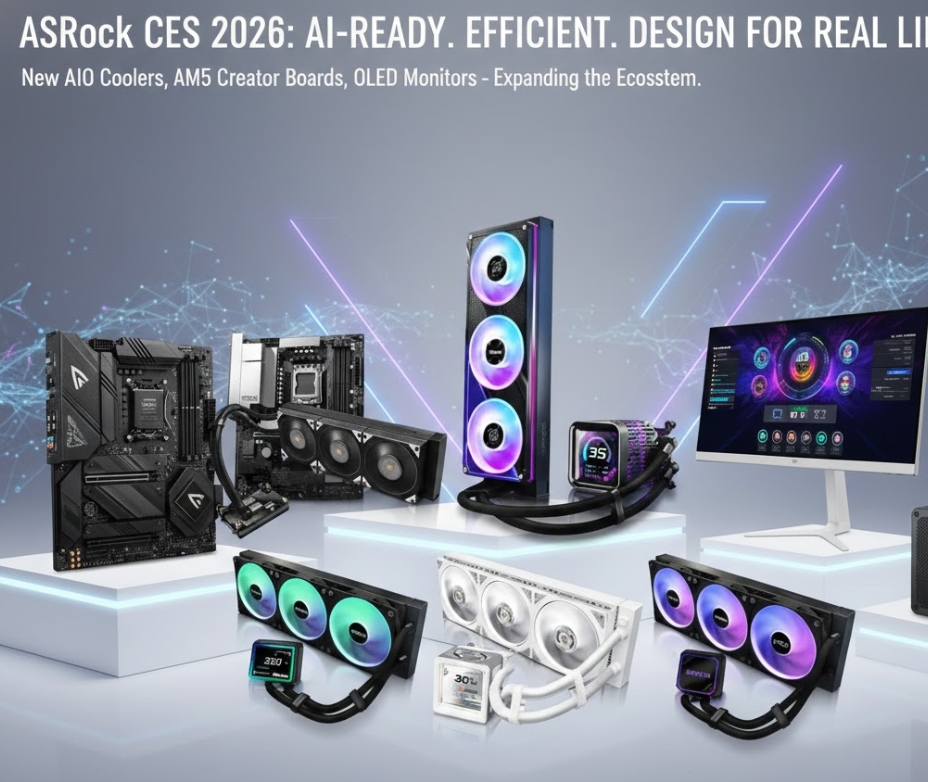


The Best Gaming PC Builds For 2026 Top Picks And Reviews Best Pc Build . 8 Best Gaming PCs For 2026 Ultimate Buyer S Guide The Creators Dream Msi X 2026.webp. ASRock CES 2026 Gaming Hardware AsRock . 7 Best Gaming PCs Of 2026 Power Performance And Value Revealed Top Gaming Pcs 2026 1lmv2 . Best Gaming PC For Competitive Gaming 2026 Hardware Guide The Best Gaming PC For Competitive Gaming 2026 Performance Guide.webp
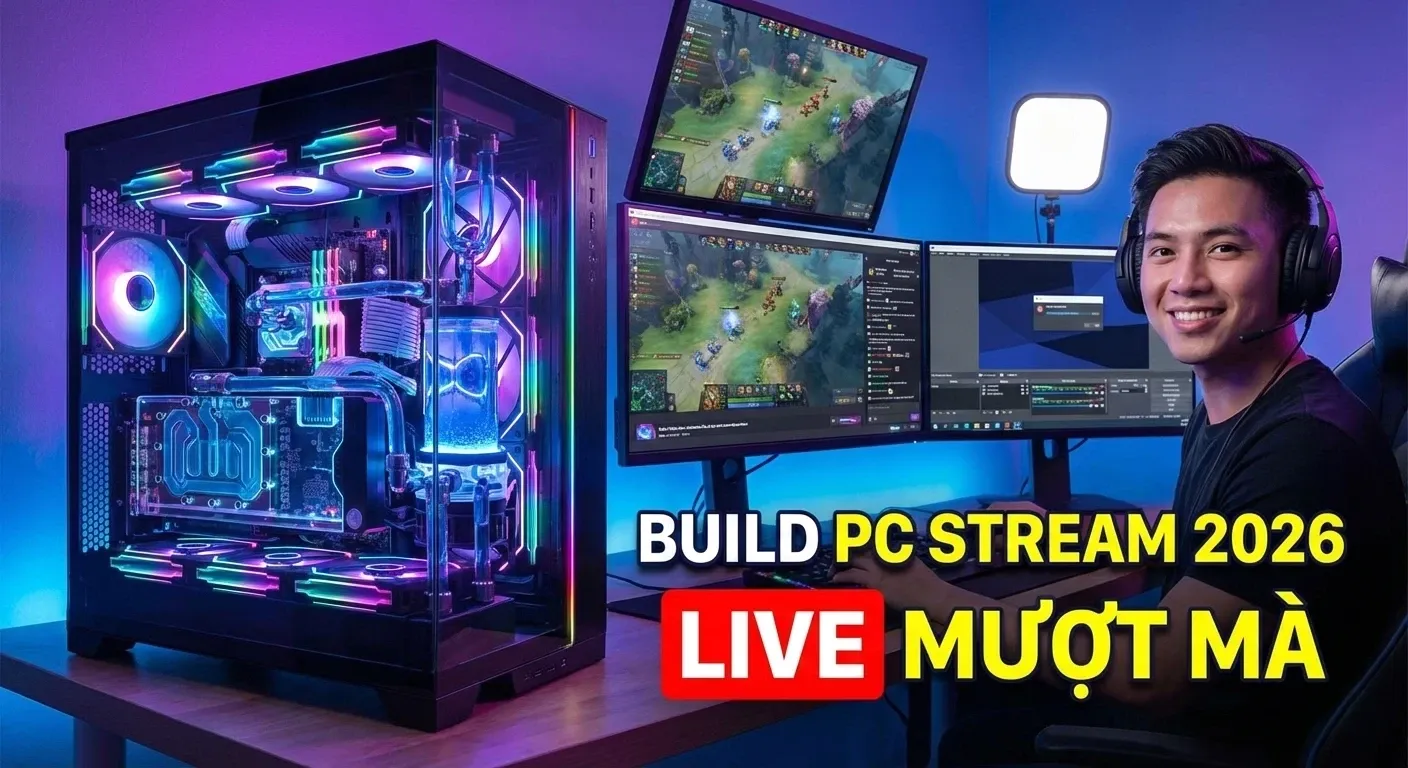


Build PC Stream Game 2026 C N C U H Nh Ra Sao Live M T Kh Ng Lag Build PC Stream Game 2026 Can Cau Hinh Ra Sao De Live Muot Khong Lag.webp. Best Gaming Computers In 2026 9meters Hpaq Kbcyhk 1536x1059 . How To Build A Gaming PC In 2026 Complete Parts Guide And Assembly Image. Best Gaming Streaming PC In 2026 High FPS Gaming PC Guru Best Gaming Pc Already Built Featured 800x500 . 8 Gaming PC Fixes For 2026 DML 8 Gaming PC Fixes For 2026 Blog



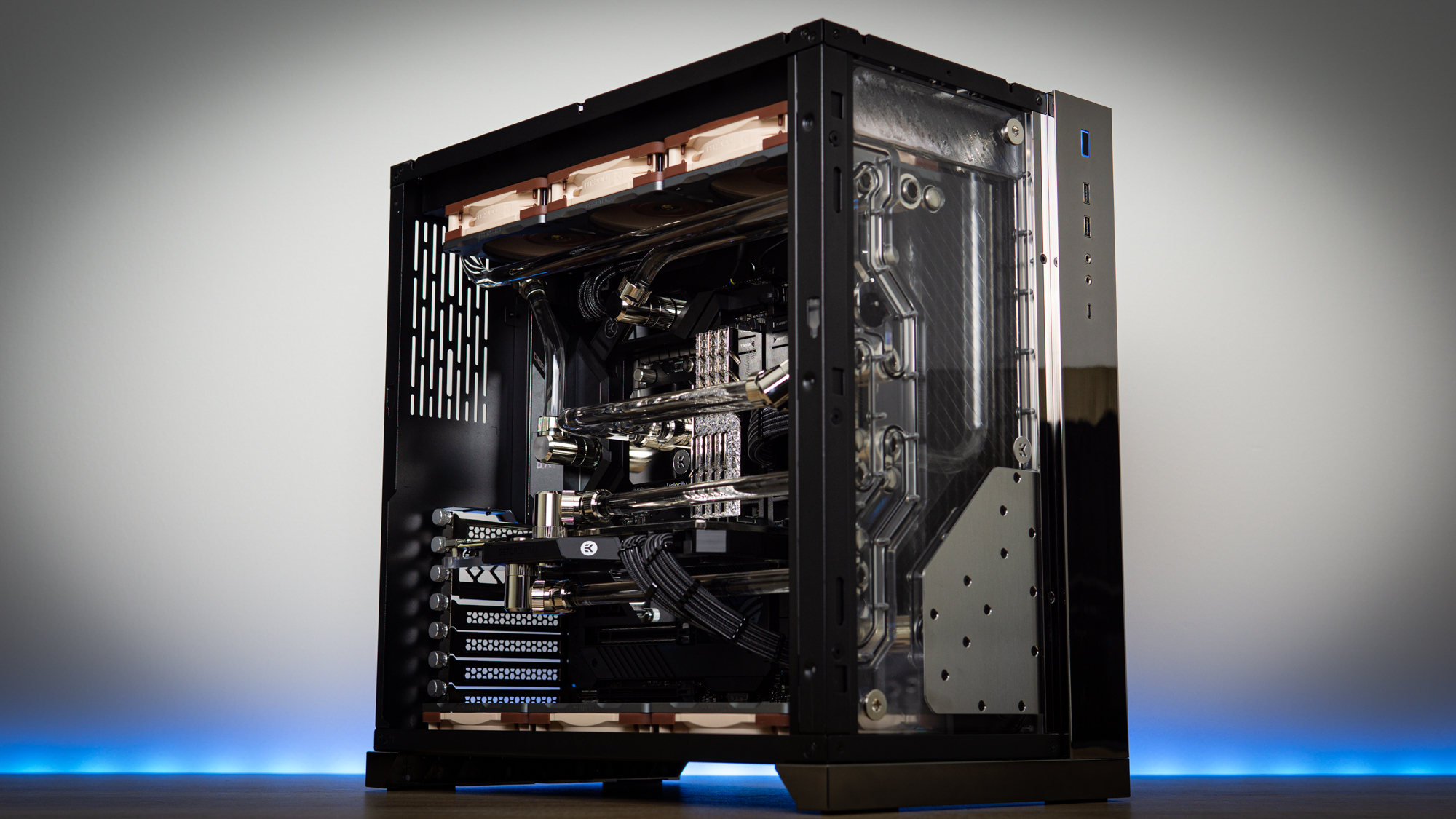
Top 10 Most Anticipated Games Of 2026 What To Watch Out For TVN GAMES IN 2026 . Best PC Builds For Gaming 2026 Ultimate Guide To Building Your Dream Best PC Builds For Gaming 2026 1024x683 . 6 Best Desktop Computers 2026 YouTube . The Best Cheap Gaming Laptops For 2026 Tested For Gaming Top 3 Gaming Laptops Of 2026 - The Ultimate Guide . Desktop Reviews Analysis And Buying Guides Tom S Hardware Tom S


Gaming Desktop PC Guide 2026 Build The Ultimate Gaming Setup 2 2 3 . Top 10 Most Anticipated Games Of 2026 Biggest Upcoming Game Releases . EA F1 26 Canceled 2026 Season Update Details 2026 Upcoming Games Release Dates . Gaming PC Budget Guide 2026 Spend Smart Build Better Pc Builds For Every Budget.webp. Best Gaming PC Components Under Rs 30 000 In January 2026 Gaming PC January
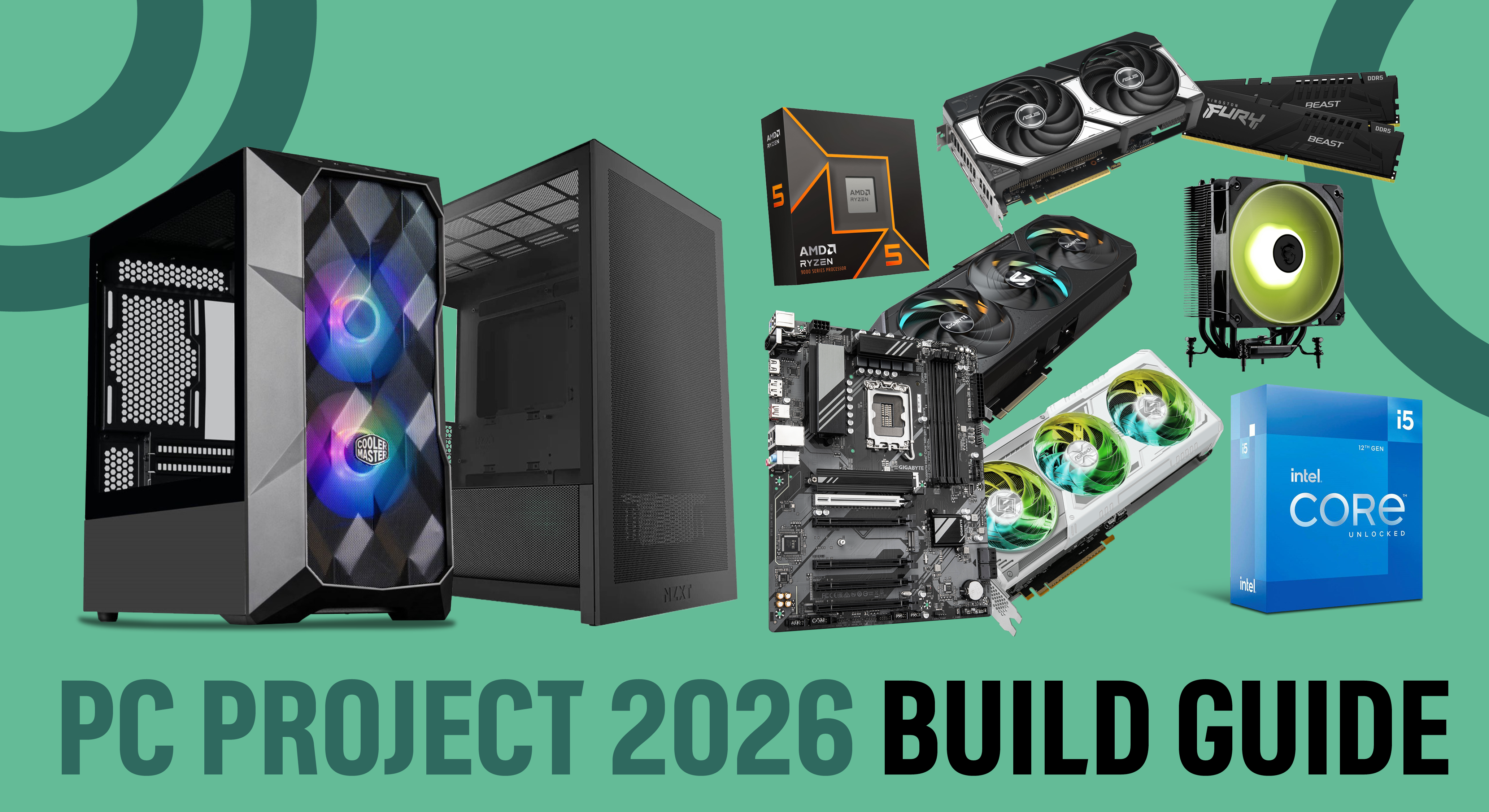



PC Project 2026 Where To Start With Building Your Own Gaming PC CCL CCL 667 BLOG BUILD GUIDE 1980x1080 . PC Gaming Deals Explode In April 2026 Where To Grab The Biggest Savings PC Gaming Deals Explode In April 2026 Where To Grab 1200x678 . Will Gaming PCs Get CHEAPER In 2026 Gaming PC Prices RAM Prices Media. The Ultimate Guide To Building A PC In 2025 Computer Cave Desktop Gaming In 2026 Why Performance Issues Usually Mean Repair--Not Replacement. Best Gaming Streaming PC In 2026 High FPS Gaming PC Guru Best Gaming Pc Specs Featured 800x500



Best Gaming PC On Amazon 2026 Pre Built R Gaming PC Guru Best Gaming Tvs For Xbox Series X Featured 800x500 . Lenovo S CES 2026 Concept Laptops A Rollable OLED Gaming Beast And A Lenovo CES 2026 Rollable Laptop Concepts 20260107 103129 . Valve Steam Machine PC Console Hybrid Launches Early 2026 Why It Could Valve Steam Machine 2026 Official Product Photo 1024x512 . Best Mini PC 2026 Top Picks For Gaming Work AI ALLIWAVA Mini PC 33 Adeff36f B9da 4a56 B969 . Best PC Games To Play In 2026 Game Development Engines In 2026.webp