Unlock your console's full potential. Are monitors good for console gaming is a frequent question for dedicated gamers seeking an edge. Many US console players, averaging over 10 hours a week, juggle work and family but still crave optimal performance and immersive experiences. This comprehensive guide delves into why gaming monitors often surpass traditional TVs for Xbox Series X and PS5, exploring crucial features like refresh rates, response times, and display technologies. Discover how a monitor can reduce input lag, sharpen visuals, and provide a competitive advantage, whether you are unwinding with social games or battling in esports. We will cover setup tips, budget-friendly options, and how monitors integrate seamlessly into your busy gaming life, ensuring you make an informed decision without the hype, focusing on real value and enhanced gameplay.
Are gaming monitors better than TVs for PS5 and Xbox Series X?
Yes, for serious gamers, monitors are generally superior to TVs for PS5 and Xbox Series X. They offer significantly lower input lag and faster response times, which are crucial for competitive titles and a more reactive gameplay experience. While modern TVs have improved, monitors are built from the ground up for speed, ensuring every button press translates to immediate on-screen action.
What refresh rate and response time should I look for in a console gaming monitor?
For current-gen consoles, aim for a monitor with at least a 120Hz refresh rate to fully utilize 120 frames per second modes on PS5 and Xbox Series X. Regarding response time, look for 1ms or 2ms Gray-to-Gray (GtG) to minimize motion blur and ghosting, ensuring crisp visuals in fast-paced games. These specs provide the smoothest and clearest image possible.
Do monitors support 4K resolution and HDR for console gaming?
Many gaming monitors now support 4K resolution and High Dynamic Range (HDR). If you want to experience 4K at 120Hz with your PS5 or Xbox Series X, ensure the monitor has an HDMI 2.1 port. While HDR support is common, true HDR performance varies, so check reviews for actual brightness levels and contrast ratios for the best visual fidelity.
Is a gaming monitor a good investment if I only play casually on my console?
Absolutely. Even casual console gamers will notice a significant improvement with a gaming monitor. The reduced input lag and smoother visuals make every game more enjoyable and responsive. It's an investment in a more fluid and immersive experience, enhancing your relaxation and fun without needing to upgrade your console.
How important is input lag for console gaming on a monitor?
Input lag is extremely important, especially for console gaming on a monitor. It refers to the delay between your input (like pressing a button) and the action appearing on screen. Monitors typically have much lower input lag than TVs, giving you a noticeable advantage in reaction time and making gameplay feel much more connected and responsive. This directly translates to better performance in fast-paced games.
Can using a monitor help me be more competitive in console esports?
Yes, using a gaming monitor provides a tangible competitive edge in console esports. The combination of very low input lag, fast response times, and high refresh rates allows for quicker reactions, clearer target tracking, and an overall more immediate feel to the game. These performance advantages can make a critical difference in high-stakes competitive play, helping you build skills and perform at your best.
What are the audio considerations when using a monitor with a console?
Most gaming monitors have either no built-in speakers or very basic ones, unlike TVs. Therefore, you will almost certainly need to use a gaming headset connected to your controller, or external speakers connected directly to your monitor's audio out port, or via your console if it supports it. Plan for an external audio solution to ensure a complete and immersive gaming experience.
Balancing work, family, and that precious gaming time can be a real challenge for many of us adults. We are not just looking for flashy new games; we want the best experience possible for our consoles without breaking the bank or complicating our lives further. With 87% of US gamers regularly diving into their favorite titles and averaging over 10 hours a week, optimizing that playtime is key. You might be wondering, are monitors good for console gaming? The short answer is yes, and often better than your living room TV, especially if you crave performance, responsiveness, and a more intimate gaming setup.
Forget the old stereotypes; today's gaming monitors are not just for PC enthusiasts. They are becoming essential gear for PlayStation 5 and Xbox Series X players who want to unlock every frame and pixel their powerful consoles can deliver. Many of us are looking for practical solutions that enhance our relaxation, help us unwind with friends in social games, or even give us that slight competitive edge when we manage to squeeze in some skill building. This guide is designed to cut through the hype, address your common pain points like setup woes or budget constraints, and show you exactly why a monitor could be your console's new best friend. Let us dive into making your gaming sessions as smooth and enjoyable as possible.
Why are monitors often better than TVs for console gaming?
Gaming monitors are specifically engineered with speed and responsiveness in mind, making them often superior to traditional TVs for console gaming. While modern TVs have improved, monitors typically boast significantly lower input lag and faster response times. Input lag is the delay between you pressing a button and the action appearing on screen, and for competitive games or even just a fluid experience, lower is always better. Response time refers to how quickly pixels can change color, which minimizes motion blur and ghosting. For an average gamer balancing life, these subtle differences translate into a noticeably smoother and more reactive gameplay session, maximizing your limited free time for optimal fun or skill development.
Furthermore, monitors often come with higher refresh rates at more accessible price points. While many TVs now offer 120Hz, finding a 120Hz or even 144Hz monitor is much easier and often cheaper, providing a buttery-smooth visual experience, especially in fast-paced action games. This month's trends continue to show a strong push towards high refresh rate gaming across all platforms, and monitors are leading the charge in affordability and performance.
What specific features should console gamers look for in a monitor?
When selecting a monitor for your PS5 or Xbox Series X, several key features stand out. First, prioritize **refresh rate**; aim for at least 120Hz to fully utilize your console's high frame rate capabilities. Next, **response time** is crucial; look for 1ms or 2ms Gray-to-Gray (GtG) to minimize ghosting. **Input lag** is often tied to these, but reviews can provide specific data. The display technology matters too; **IPS panels** offer excellent color accuracy and wide viewing angles, while **VA panels** provide better contrast, and **TN panels** are the fastest but have weaker colors. For modern consoles, HDMI 2.1 ports are essential for uncompressed 4K at 120Hz. Adaptive Sync technologies like VRR (Variable Refresh Rate) are also important to prevent screen tearing, especially for consoles supporting it. Finally, consider **HDR support** for vibrant colors and contrast, though true HDR performance varies greatly between monitors.
How do refresh rates and response times impact console gameplay?
Refresh rate and response time are foundational to a fluid and responsive console gaming experience. The **refresh rate**, measured in Hertz (Hz), indicates how many times per second the display updates its image. A higher refresh rate, like 120Hz, means the screen displays more frames per second, resulting in significantly smoother motion, especially noticeable in fast-paced games. This reduces perceived stuttering and makes tracking enemies or objects easier. The **response time**, typically measured in milliseconds (ms), signifies how quickly a pixel can change from one color to another. A low response time (e.g., 1ms or 2ms GtG) is critical for minimizing motion blur and ghosting artifacts, which occur when previous frames linger on the screen, creating blurry trails behind moving objects. For busy adults fitting gaming into their schedule, these improvements mean a clearer, more engaging, and less fatiguing visual experience, allowing them to make the most of their precious gaming moments.
Are 4K monitors necessary for PS5 and Xbox Series X?
While 4K monitors are certainly impressive and can deliver stunning visual fidelity, they are not strictly necessary for an excellent PS5 or Xbox Series X gaming experience. Both consoles are capable of rendering games in native 4K, and many titles offer performance modes that prioritize higher frame rates at 1440p or even 1080p. A high-quality 1440p (QHD) monitor, especially one with a 120Hz or higher refresh rate and excellent response time, can often provide a better balance of visual clarity and smooth performance at a more budget-friendly price point. Many games, particularly competitive ones, still target 1440p or 1080p for higher frame rates. However, if immersion and pixel-perfect detail in single-player, graphically intensive games are your top priority, and your budget allows, a 4K 120Hz monitor with HDMI 2.1 will fully showcase your console's graphical prowess.
Can a monitor improve my competitive edge in console games?
Absolutely, using a gaming monitor can significantly enhance your competitive edge in console games. The primary reasons are reduced input lag, faster response times, and higher refresh rates. In games where split-second decisions and precise aiming are crucial, such as Call of Duty, Apex Legends, or Fortnite, even a few milliseconds saved can make a difference. Lower input lag means your actions register almost instantly on screen, giving you a tangible advantage in reaction time. Faster response times ensure that enemy movements are crisp and clear, without distracting motion blur, allowing for quicker target acquisition. The smoother visuals from a higher refresh rate also make it easier to track opponents. For gamers who juggle life's demands but still love the thrill of competition, optimizing your setup with a monitor is a smart, budget-conscious way to boost your performance without needing expensive console upgrades.
How do I set up a console with a gaming monitor?
Setting up your console with a gaming monitor is typically straightforward. First, connect one end of an HDMI cable (ideally an HDMI 2.1 cable for PS5/Xbox Series X to unlock 4K 120Hz) to the HDMI out port on your console and the other end to an HDMI input port on your monitor. Next, plug your monitor into a power outlet. Power on both your console and monitor. You may need to use your monitor's on-screen display (OSD) menu to select the correct HDMI input. Once connected, navigate to your console's display settings. For PS5 or Xbox Series X, look for video output settings to ensure the resolution (e.g., 4K, 1440p) and refresh rate (e.g., 120Hz) are correctly detected and enabled. You might also adjust HDR settings here if your monitor supports it. Finally, connect your headset to your controller or a monitor's audio out port if it has one, as monitors typically lack speakers or have basic ones. This quick setup ensures you are ready to jump into action without complicated configurations, making your limited gaming time more efficient.
What are the best budget-friendly monitors for console gaming?
Finding a great budget-friendly monitor for console gaming means prioritizing key performance features without overspending. Look for 1080p or 1440p monitors with a refresh rate of at least 120Hz, and a low response time (1ms to 5ms GtG). Brands like AOC, Acer, Sceptre, and Dell often offer excellent value. For example, a 24-inch or 27-inch 1080p 144Hz IPS monitor can be found for under $200 and provides a fantastic experience for most console games, especially for competitive titles. If you can stretch your budget slightly, a 1440p 144Hz IPS monitor in the $250-$350 range offers a significant visual upgrade while still maintaining high frame rates. Always check for FreeSync or G-Sync compatibility (as consoles increasingly support VRR) and ensure it has at least one HDMI 2.0 port. While HDMI 2.1 is ideal for 4K 120Hz, it is often found in higher-priced monitors; 1440p at 120Hz can still be achieved over HDMI 2.0, providing excellent performance for the average gamer on a budget.
How do monitors fit into a multi-device gaming setup?
Monitors are perfect for gamers with multi-device setups, especially for those who balance console and PC gaming or even work-from-home tasks. Their compact size allows for easy placement on a desk, often alongside a PC tower, a laptop, or even multiple consoles. Many monitors come with multiple HDMI ports and sometimes DisplayPort, allowing you to connect your PS5, Xbox Series X, and a gaming PC simultaneously, switching inputs with a button press. This versatility means you can transition seamlessly from a high-stakes competitive match on your console to a PC strategy game, or even jump into a quick work meeting without moving from your dedicated gaming space. This adaptability is invaluable for busy adults, offering a streamlined and efficient way to enjoy various forms of digital entertainment and productivity in a single, organized setup. This month's trends continue to highlight the importance of versatile setups for the average gamer, showing a strong preference for gear that supports multiple activities.
Are there any downsides to using a monitor for console gaming?
While monitors offer numerous advantages, there are a few potential downsides to consider. The most common is the **lack of integrated speakers** or the presence of only very basic ones. This means you will almost certainly need a gaming headset or external speakers for audio, which can be an additional purchase or setup consideration. Another factor is **screen size**; monitors are generally smaller than living room TVs, typically ranging from 24 to 32 inches. This can be a drawback if you prefer a large, cinematic experience for casual or couch co-op gaming with friends or family. For social gaming, a monitor might feel less inclusive than a big TV. However, this smaller size is often an advantage for competitive play due to less eye movement. Finally, true **HDR performance** on monitors can be inconsistent; while many support HDR, only high-end models deliver the deep blacks and bright highlights comparable to premium HDR TVs. Despite these points, for focused, performance-driven solo or online multiplayer console gaming, the benefits of a monitor generally outweigh these minor drawbacks.
What about social gaming and monitors?
Social gaming is a huge part of the gaming landscape for many US adults. While a massive TV might seem ideal for a couch co-op session, monitors can still facilitate great social experiences, especially in more intimate settings. Many gamers use monitors in dedicated gaming spaces, where friends might gather around a desk or use beanbags for local multiplayer. Cross-play and online social games (like those popular this month) are thriving, often involving voice chat on platforms like Discord. Here, a monitor's clarity and responsiveness enhance each player's individual experience, whether they are playing side-by-side or online. For families where gaming time is shared, a monitor can be a more personal setup, allowing one person to game while others use the main TV. While not replacing the grand living room TV, monitors offer a personal, high-performance window into the social gaming world, whether you are playing next to a friend or communicating across continents.
How does a monitor enhance the current top console games?
Monitors elevate the experience of current top console games by delivering performance and clarity often missed on standard TVs. Take competitive titles like Call of Duty Modern Warfare III or Apex Legends; the low input lag and high refresh rates of a gaming monitor mean smoother aiming, quicker reactions, and clearer visuals of enemies, directly translating to better performance. For immersive single-player adventures like Final Fantasy VII Rebirth or Horizon Forbidden West, a monitor with strong HDR support (if available) brings out vibrant colors and intricate details, making the worlds feel more alive and responsive. Even cozy games, a popular trend this month for relaxation, benefit from the crisp visuals and lack of motion blur, making intricate details more enjoyable. For multiplayer experiences like Helldivers 2, the enhanced clarity helps with target acquisition and situational awareness. In essence, a monitor ensures you are seeing every frame and reacting at your fastest, optimizing your enjoyment and competitive edge across the spectrum of current console releases.
FAQ Section
Q: Is a monitor really worth it for casual console gamers?
A: Yes, even casual gamers will notice and appreciate the smoother visuals and reduced input lag from a gaming monitor. It enhances immersion and responsiveness, making your limited gaming time more enjoyable and less frustrating, providing great value for your investment in relaxation.
Q: Do I need HDMI 2.1 for my console monitor?
A: HDMI 2.1 is necessary if you want to play at 4K resolution at 120Hz on PS5 or Xbox Series X. For 1080p or 1440p at 120Hz, HDMI 2.0 is often sufficient, providing excellent performance for most setups and budgets.
Q: Can I use a monitor for both my console and PC?
A: Absolutely! Most gaming monitors have multiple HDMI ports and often a DisplayPort, making them ideal for connecting both a console and a PC. This versatility is perfect for balancing gaming and productivity in one compact setup.
Q: Will my console games look bad on a small monitor?
A: Not at all. Console games often look incredibly sharp and detailed on monitors, especially 24-inch or 27-inch 1080p or 1440p displays. The higher pixel density at closer viewing distances results in a crisp image, often surpassing the perceived quality of a larger TV from further away.
Q: What is VRR and why is it important for console monitors?
A: VRR, or Variable Refresh Rate, allows your monitor to dynamically adjust its refresh rate to match the frame rate output by your console. This eliminates screen tearing and reduces stuttering, providing a much smoother visual experience, particularly when frame rates fluctuate. Both PS5 and Xbox Series X support VRR.
In conclusion, the question of whether are monitors good for console gaming has a resounding affirmative answer, particularly for the modern gamer balancing a busy life. They offer a tangible upgrade in performance, responsiveness, and overall enjoyment compared to many traditional TVs, all while providing excellent value. From sharper visuals to reduced input lag, a good gaming monitor can elevate your PS5 or Xbox Series X experience, making every precious gaming minute count. What is your biggest gaming challenge when it comes to your setup? Comment below and let us help you level up your play!
Lower input lag for faster reactions, Higher refresh rates for smoother visuals, Faster response times reduce ghosting, Sharper image quality for competitive play, Compact setup for dedicated gaming spaces, Better value for performance focused features, Ideal for skill building and competitive gaming, Reduces eye strain with specific features, Perfect for multi tasking with other devices
35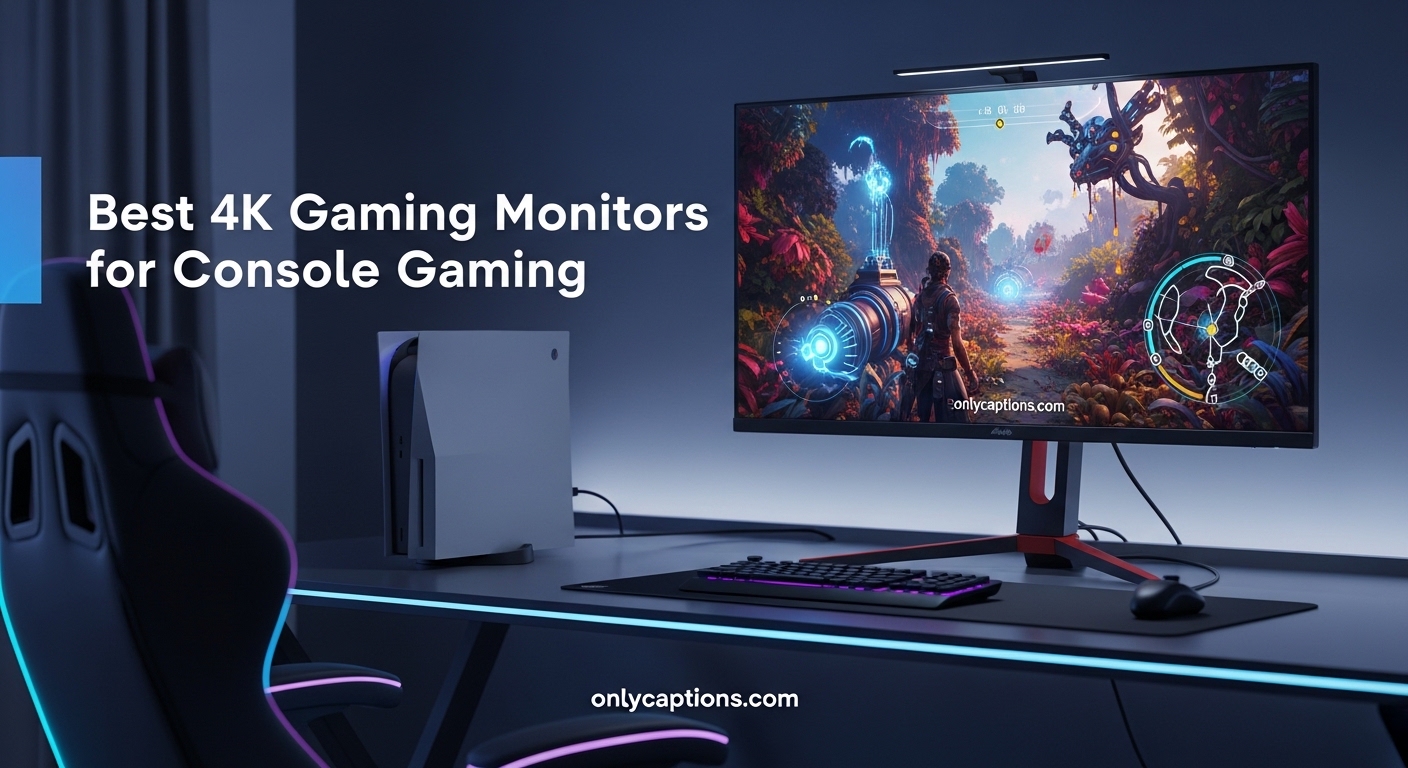
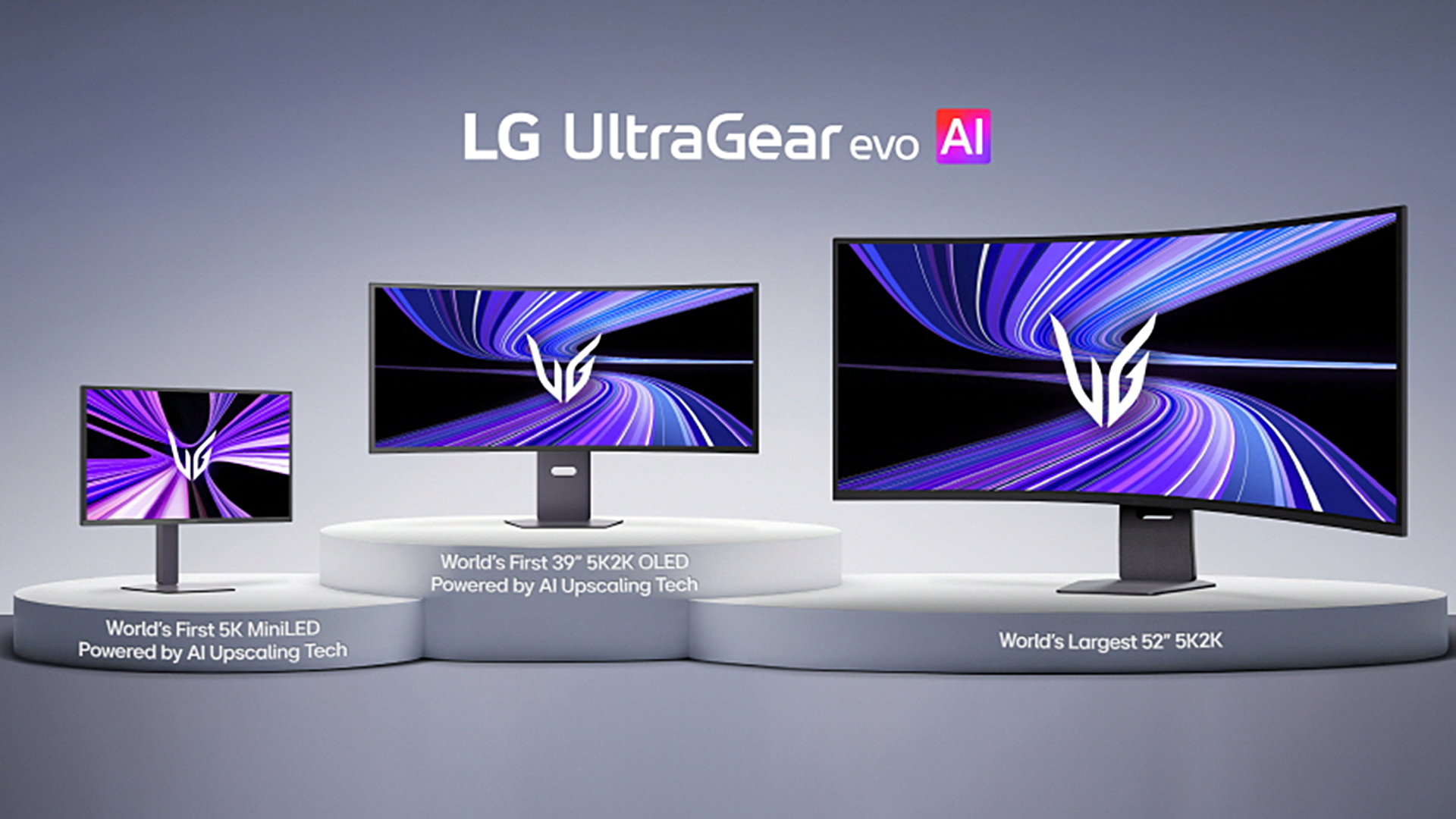
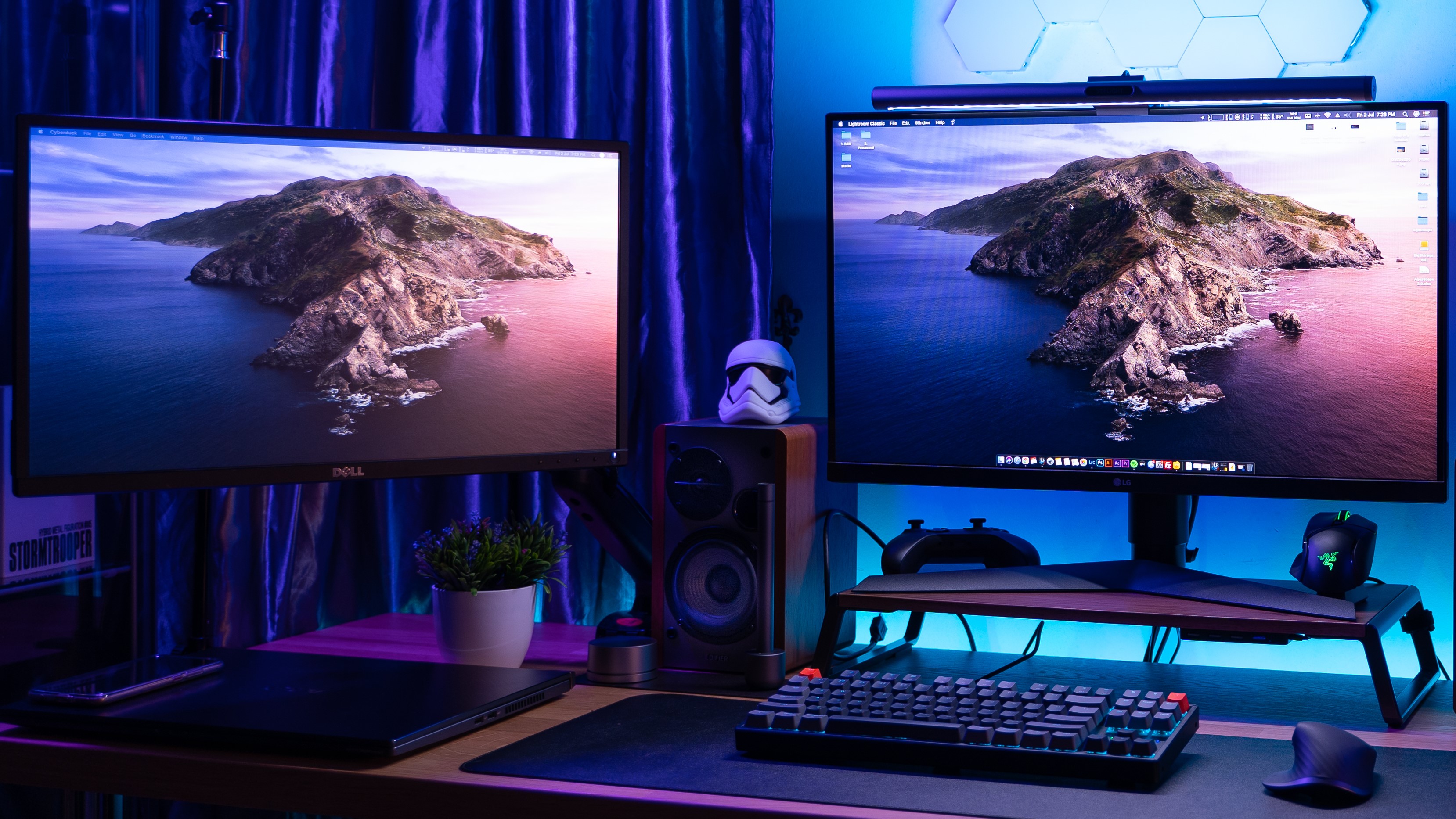


10 Best 4K Gaming Monitors For Console Gaming May 2026 Complete Guide Best 4K Gaming Monitors For Console Gaming . Samsung S Impressive 49 Inch Odyssey OLED G9 Gaming Monitor Drops By . The Best SSD For The Steam Deck Xbox ROG Ally And Ally X In 2026 . Xiaomi G24i 2026 G27i 2026 Gaming Monitors Launched Globally Xiaomi Xiaomi Gaming Monitor G24i 2026 G27i 2026 R65T2 Scaled.webp. Best HDMI 2 1 Monitor In 2026 The Ideal Choice For Console Gamers Best Pulsar Gaming Monitors

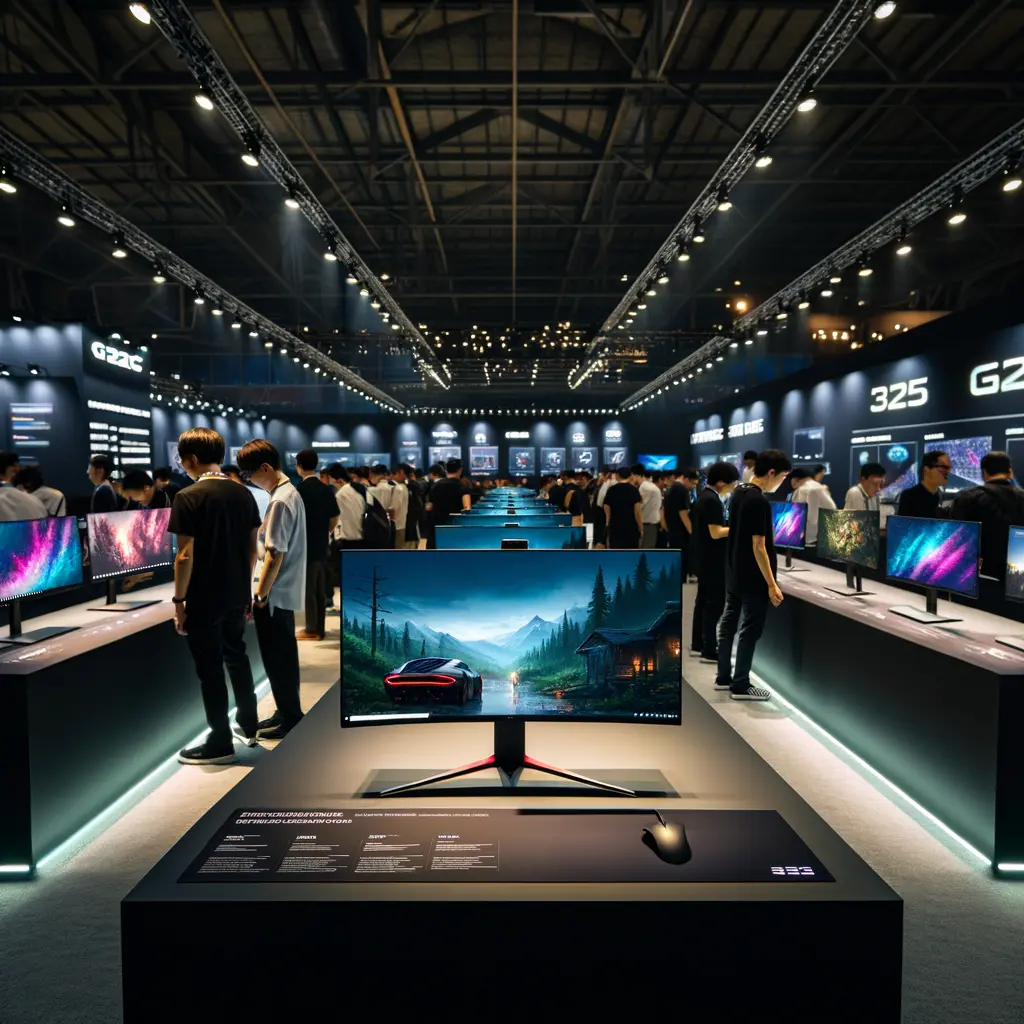


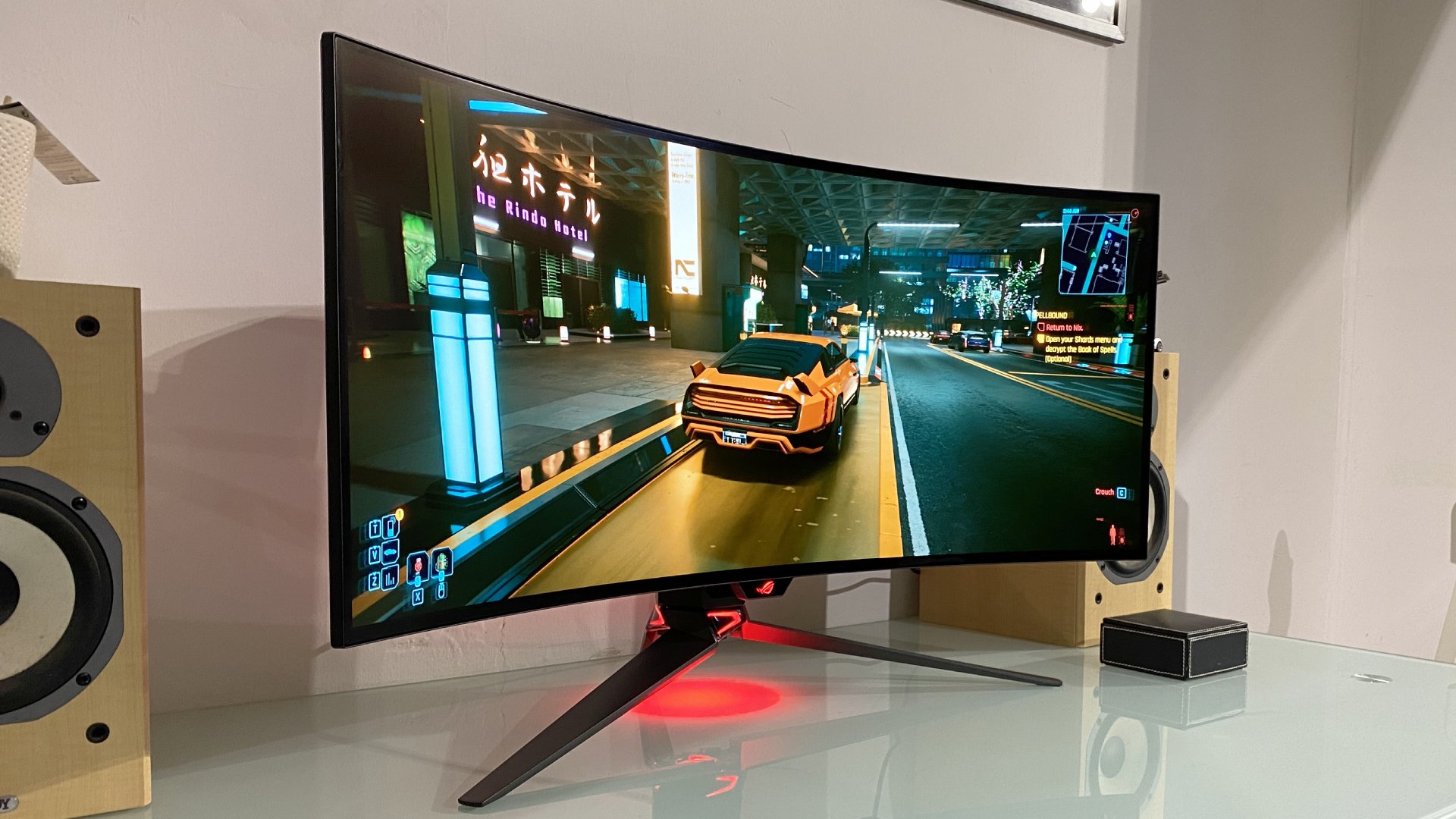
Xiaomi G24i 2026 G27i 2026 Gaming Monitors Launched Globally Xiaomi Xiaomi Gaming Monitor G24i 2026 G27i 2026 Q2XM0.webp. Samsung 2026 Odyssey Gaming Monitors Lineup Explained Samsung 2026 Odyssey Gaming. Samsung Launches World S First 6K 1040Hz Gaming Monitors 2026 Sammy Odyssey 2026 Gaming Monitors . Xiaomi Launches G24i 2026 And G27i 2026 Gaming Monitors In The Xiaomi Launches G24i 2026 And G27i 2026 Gaming Monitors In The Philippines 1024x640 . Top Curved Monitors For Gaming

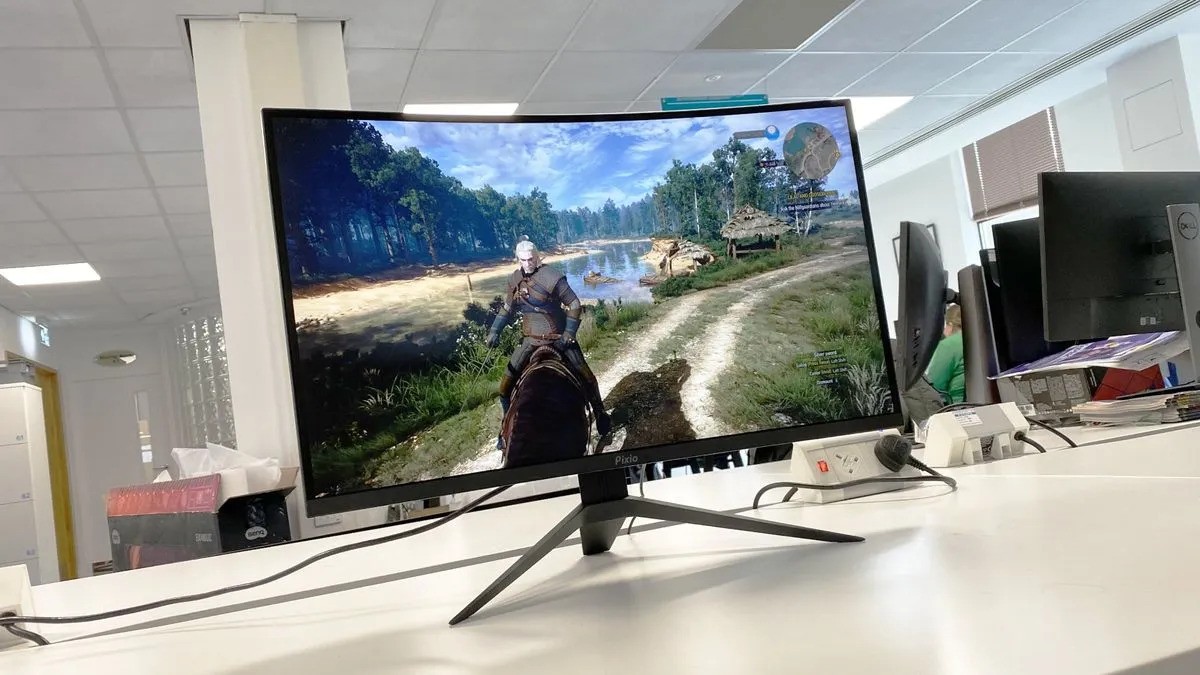

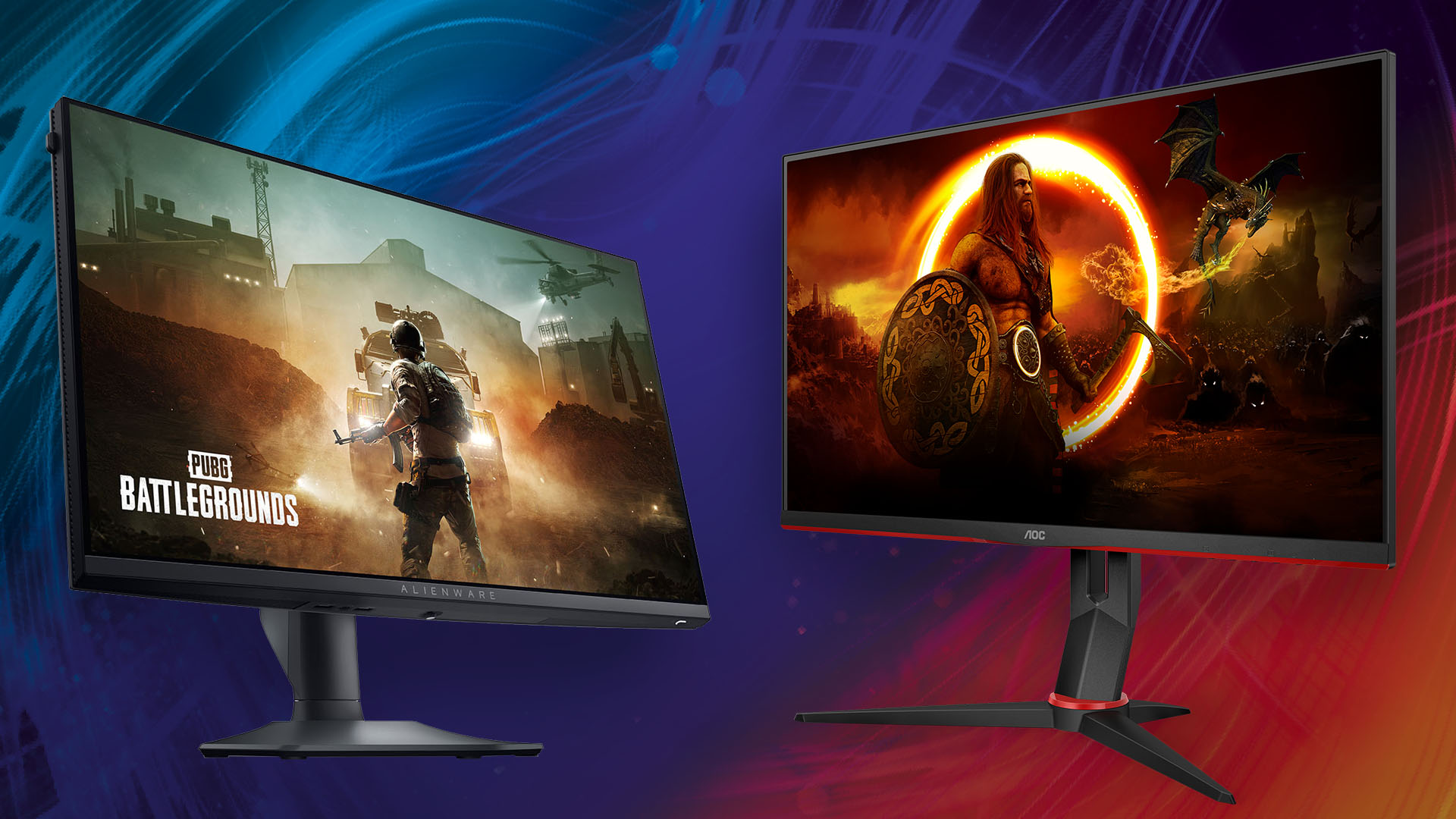
12 Best OLED Gaming Monitors For 2026 Reviews Mill Top Oled Gaming Monitors Qh52w . Best Monitor For Console Gaming 2026 Expe Gaming PC Guru Best Computer Monitor For Console Gaming Featured . Best Gaming Monitors For PC 2026 Guide . Gaming Monitor Guide 2026 Everything You Need To Know London Daily News Gaming Monitor Guide 2026 Everything You Need To Know11. Best Ultrawide Monitor 2025 Uk Best Ultrawide Monitors KQZIQ Best Gaming Monitors
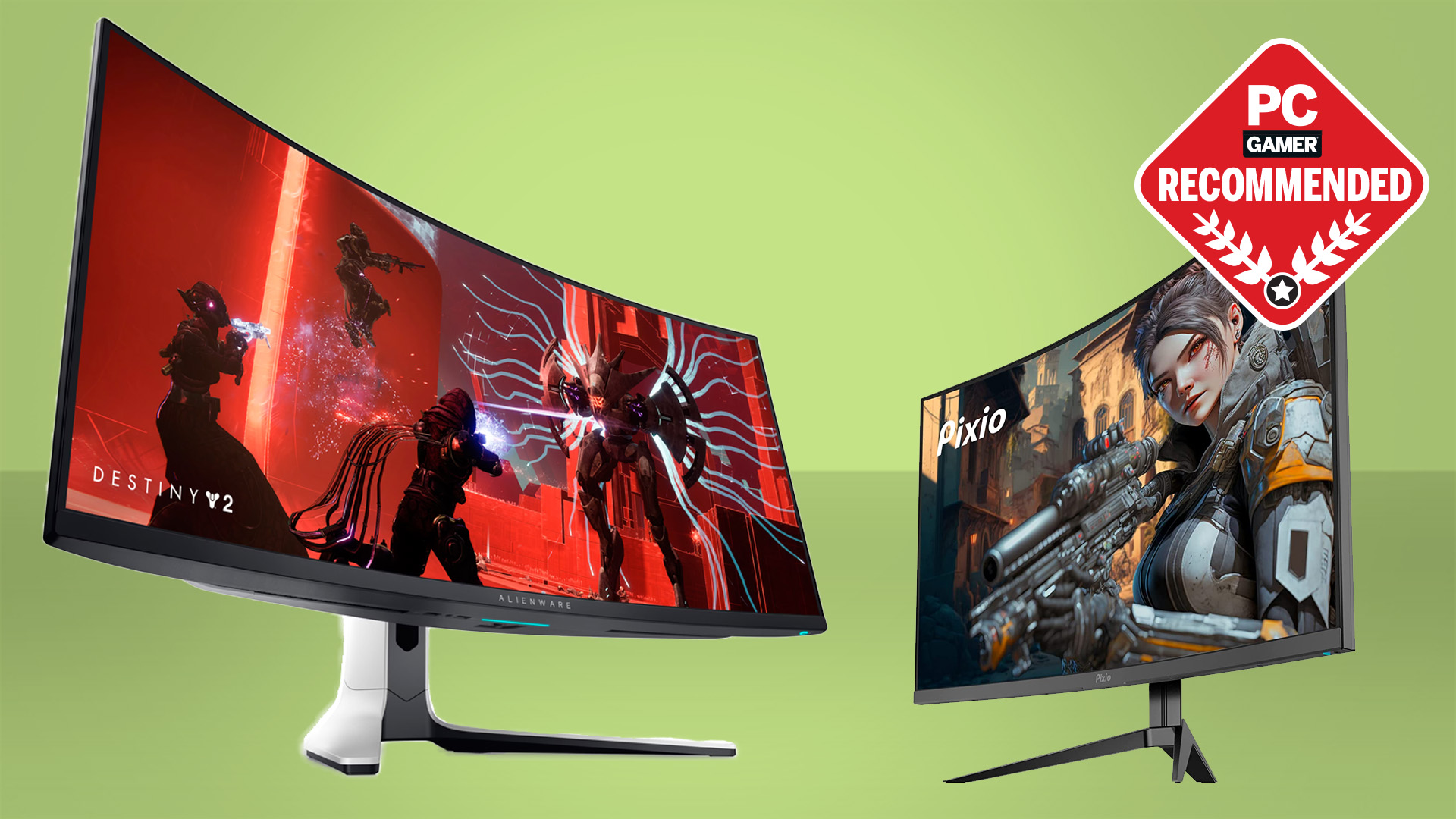
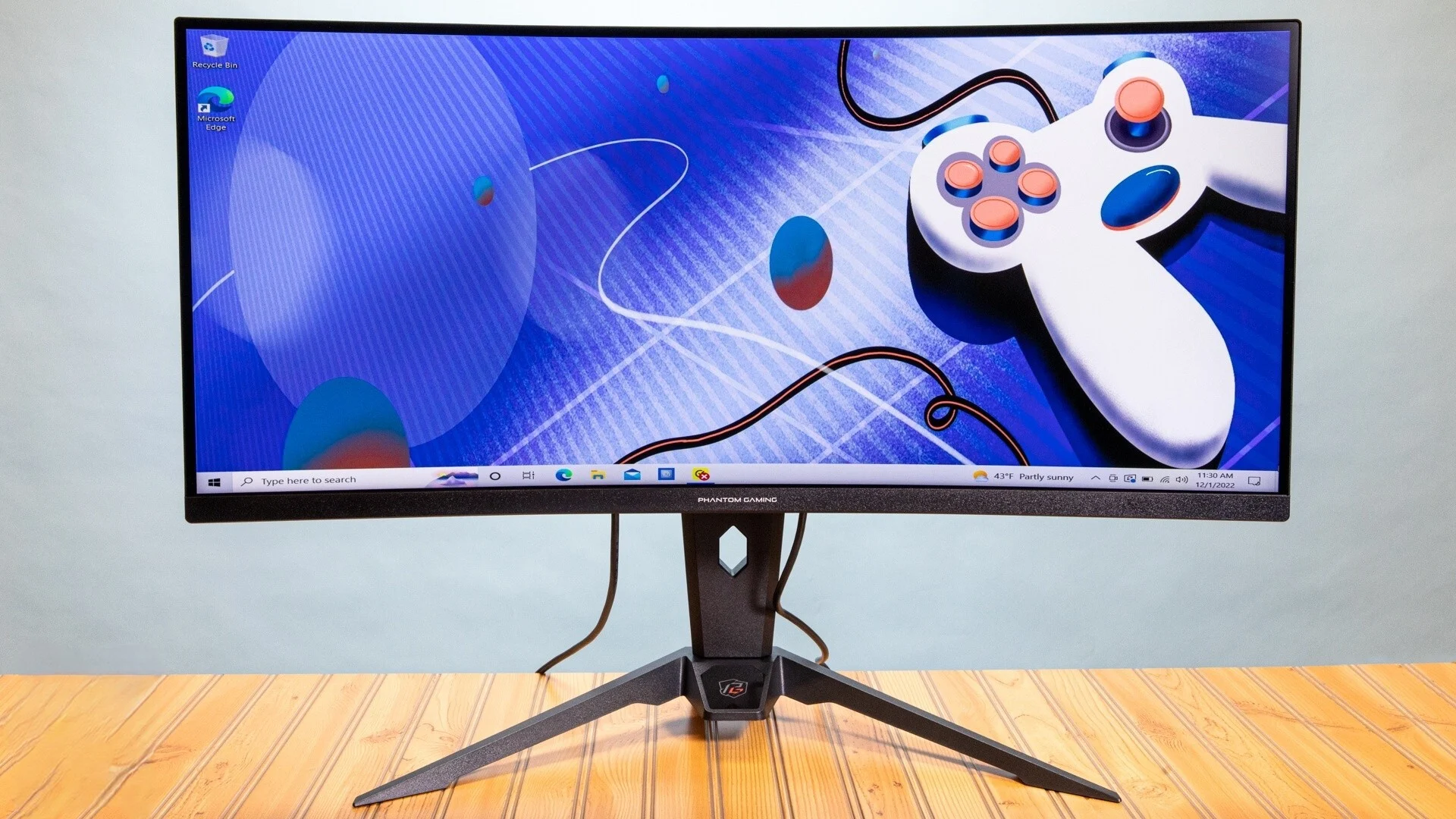
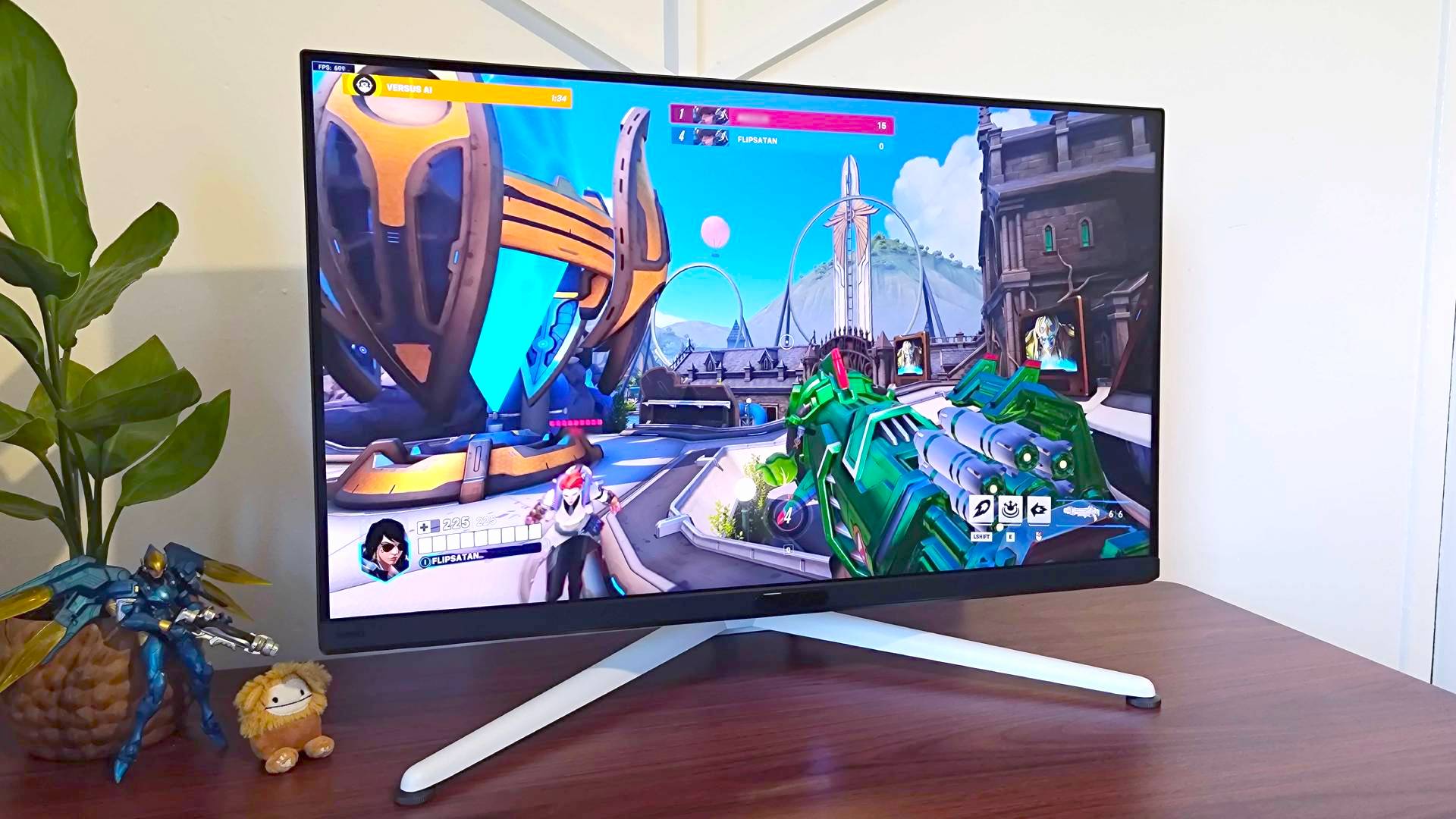

Best Picture Quality Gaming Monitor . Best Gaming Monitors Of 2026 JD Economics 8.webp. The Best Budget Gaming Monitors 2026 GamesRadar . AOC Monitors Explained Brand Overview Key Series Best Uses In 2026 Top OLED Gaming Monitors For PC Console . Best Gaming Monitors For 2026 Reviews And Bharat Erberbr


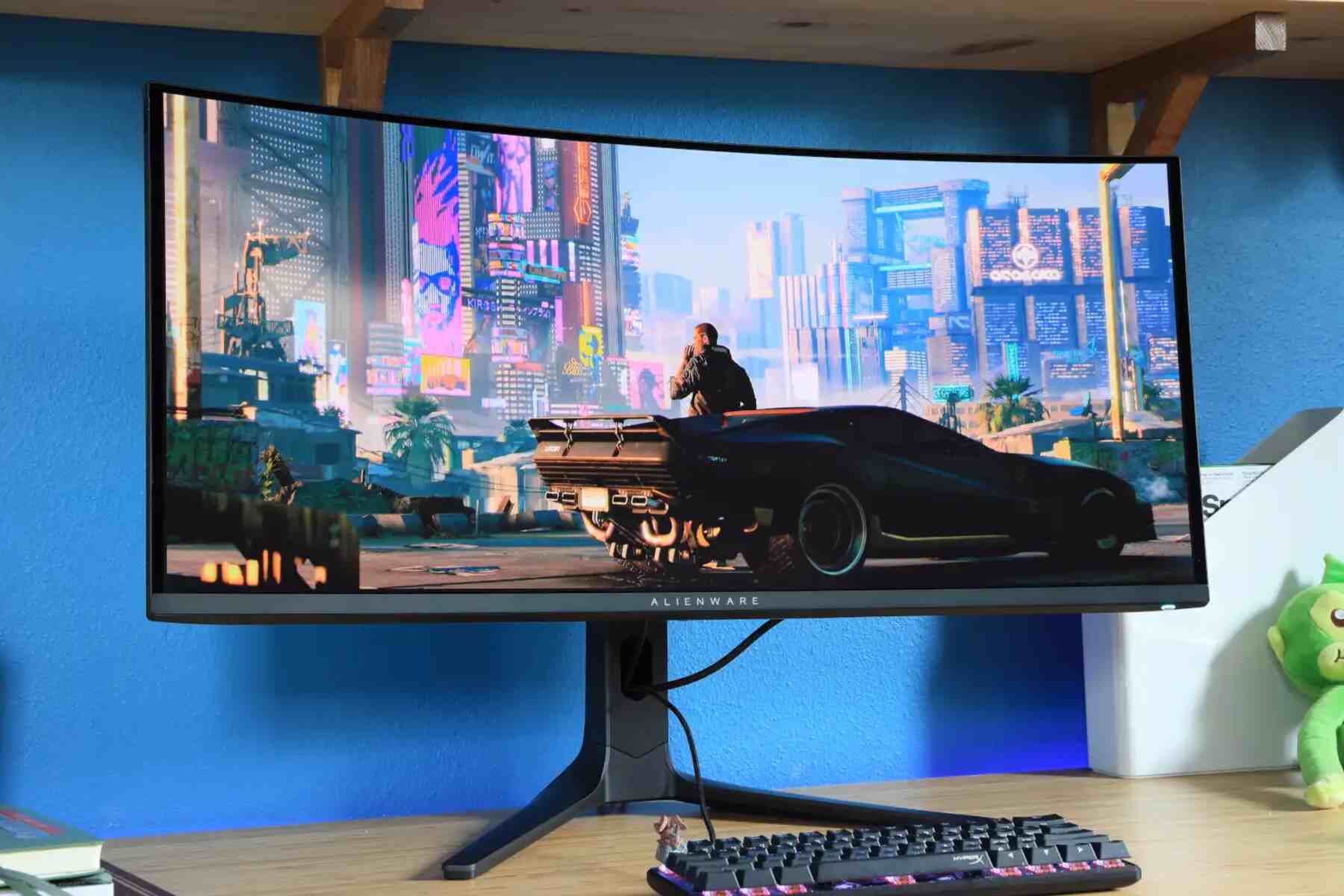
The Best OLED Gaming Monitors To Buy In 2026 TFTCentral Best Oled Gaming Monitors Thumbnail 2026 768x432 . BEST 1440P GAMING MONITORS IN 2025 2026 PC Explorers Best 1440p Gaming Monitors For Gaming In 2025 2026 1024x576 . 12 Best Curved Gaming Monitors With High Refresh Rates May 2026 Best Curved Gaming Monitors With High Refresh Rates . Best Console Gaming Display At Koby Rawling Blog . What Is A Good Size For A Gaming Monitor Robots Net What Is A Good Size For A Gaming Monitor 1701869962



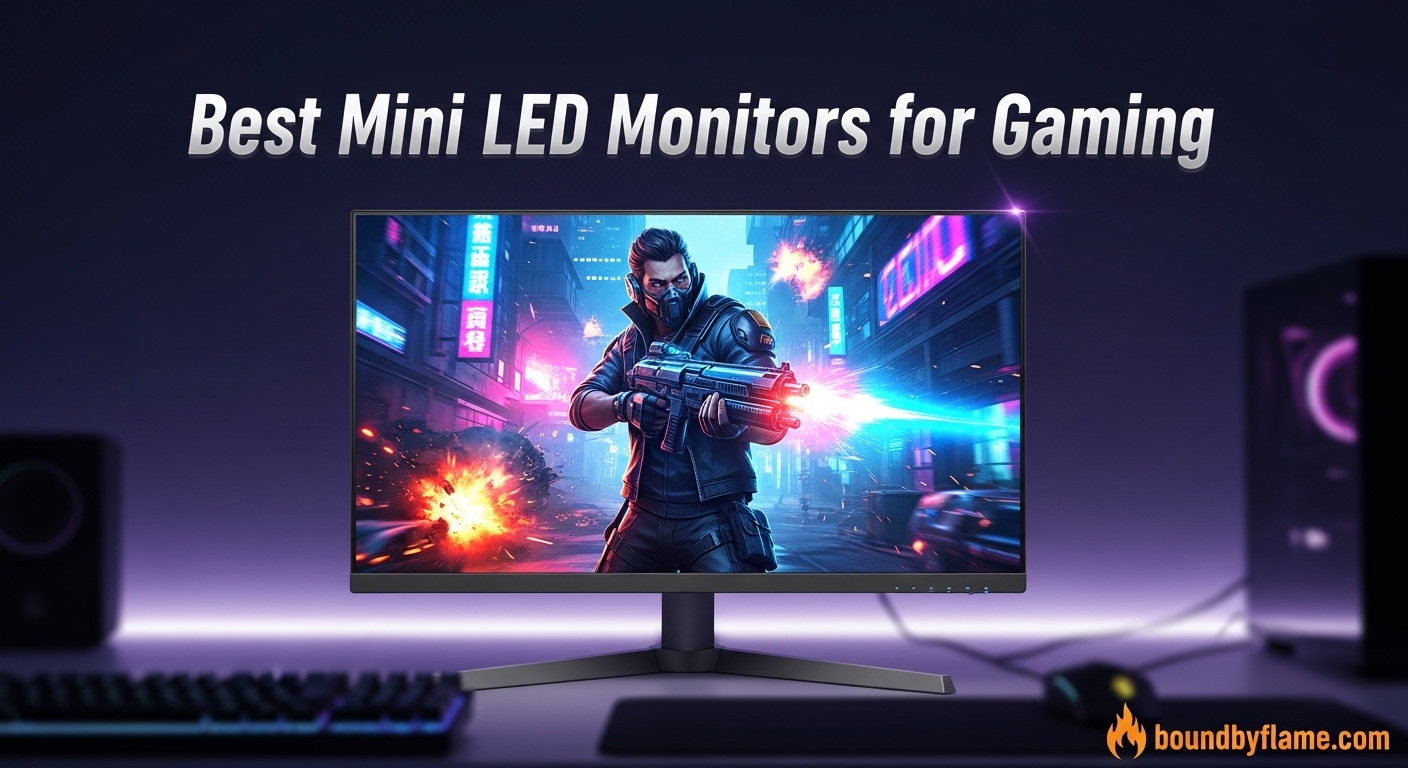
Best 1440p Monitors Budget Gaming 2026 Guide Best Monitors For FPS Games . All Nintendo Consoles And Handhelds 2026 Complete History Guide Best Curved Monitors For Gaming . Best 1440p 240Hz Monitors For Gaming 2026 Guide Display Ninja Best HDR Monitors 1024x576 . What Is The Best Monitor Size For Gaming 2025 Guide Best 1440p 144Hz Gaming Monitors . All Nintendo Consoles And Handhelds 2026 Complete History Guide Best Mini LED Monitors For Gaming

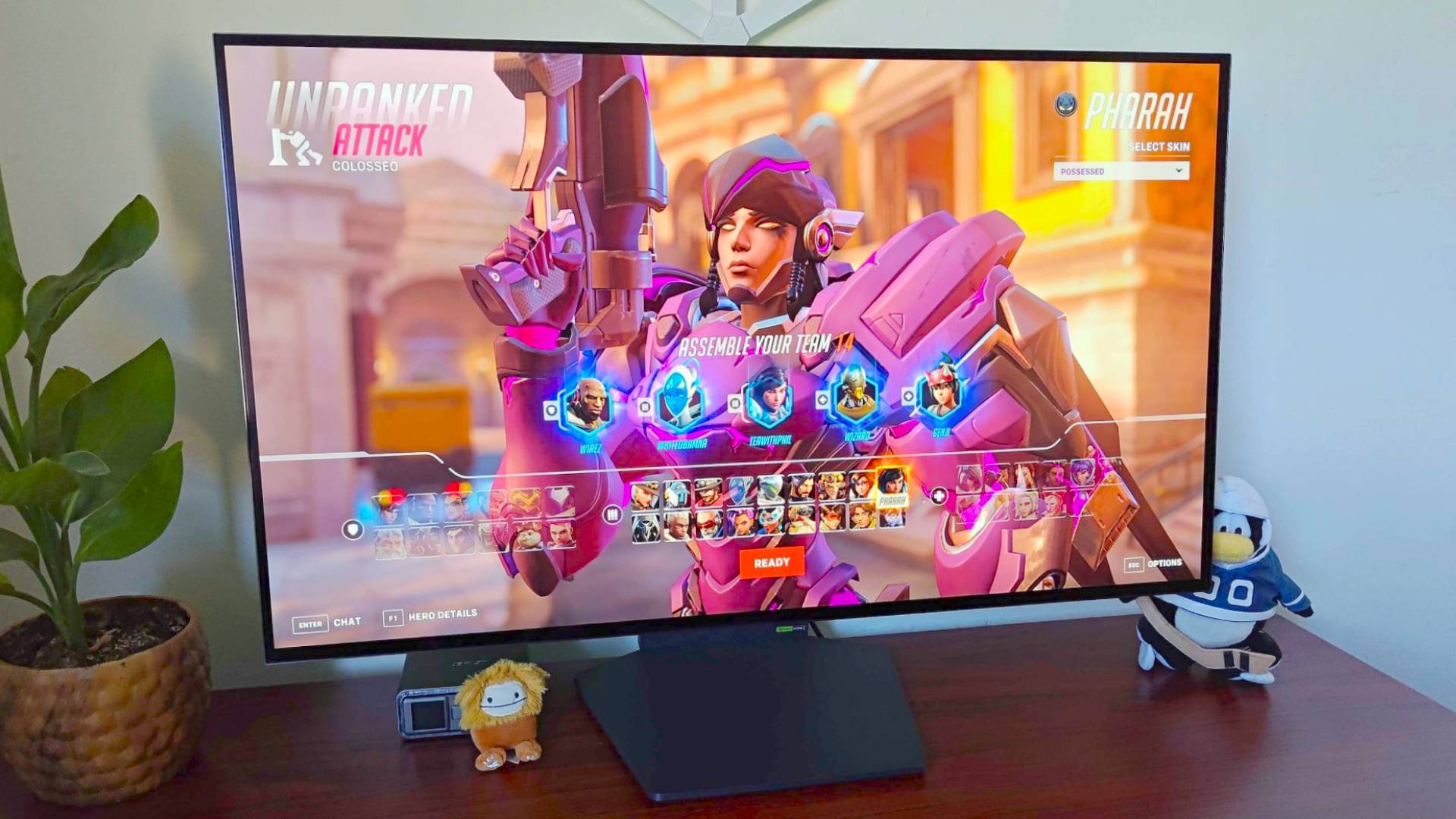


Chinese ESports Firm Worked With AMD On 1 000 Hz Gaming Monitor Primed . Best Monitor For Console Gaming 2026 Expe Gaming PC Guru Best Ultrawide Gaming Monitor 800x500 . The Best Budget Gaming Monitors 2026 GamesRadar . Best Monitors For Gaming In 2026 Best Monitors For Gaming In 2024.webp. Best Monitor For Console Gaming 2026 Expe Gaming PC Guru Best 360hz Gaming Monitor 800x500